Page loaded successfully. Showing biography for Paul Travis.
Paul Travis BIOGRAPHY
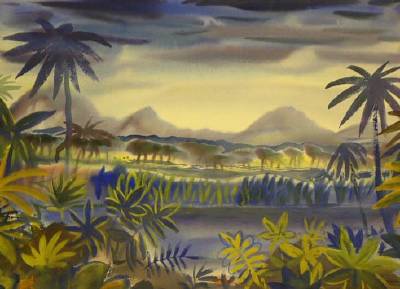
1891 West Point, Ohio - 1975 Cleveland Heights, Ohio. Known for: Exotic figure, modernist-leaning landscape painting, teaching.
Born in West Point, Ohio near the border of Pennsylvania, Paul Travis became a painter, lithographer, etcher, and teacher, living in Cleveland and Cleveland Heights, Ohio. His name is closely... Read full biography
Born in West Point, Ohio near the border of Pennsylvania, Paul Travis became a painter, lithographer, etcher, and teacher, living in Cleveland and Cleveland Heights, Ohio. His name is closely associated with the watercolor tradition of Northeast Ohio. He graduated from the Cleveland School of Art... Read full biography
Born in West Point, Ohio near the border of Pennsylvania, Paul Travis became a painter, lithographer, etcher, and teacher, living in Cleveland and Cleveland Heights, Ohio. His name is closely associated with the watercolor tradition of Northeast Ohio. He graduated from the Cleveland School of Art where he was a student of Henry Keller, tonalist painter. He served in the Army in World War I, and remained in Europe for several years where he taught art at American universities in Europe. In 1920,... Read full biography
Born in West Point, Ohio near the border of Pennsylvania, Paul Travis became a painter, lithographer, etcher, and teacher, living in Cleveland and Cleveland Heights, Ohio. His name is closely associated with the watercolor tradition of Northeast Ohio. He graduated from the Cleveland School of Art where he was a student of Henry Keller, tonalist painter. He served in the Army in World War I, and remained in Europe for several years where he taught art at American universities in Europe. In 1920, he returned to Ohio to teach at the Cleveland School, renamed in 1940 the Cleveland Institute of Art. He also taught at Western Reserve University beginning 1956. In 1927, he traveled extensively in Africa and used that subject matter for many years... Read full biography
Born in West Point, Ohio near the border of Pennsylvania, Paul Travis became a painter, lithographer, etcher, and teacher, living in Cleveland and Cleveland Heights, Ohio. His name is closely associated with the watercolor tradition of Northeast Ohio. He graduated from the Cleveland School of Art where he was a student of Henry Keller, tonalist painter. He served in the Army in World War I, and remained in Europe for several years where he taught art at American universities in Europe. In 1920, he returned to Ohio to teach at the Cleveland School, renamed in 1940 the Cleveland Institute of Art. He also taught at Western Reserve University beginning 1956. In 1927, he traveled extensively in Africa and used that subject matter for many years in his painting. Memberships included the American Society for Aesthetics; Cleveland Society for Aesthet... Read full biography
Artist Biography
Biography page for Paul Travis ((1891 - 1975)), known for Exotic figure, modernist-leaning landscape painting, teaching. Showing 1 biographical entries and 0 sample artworks.
Paul Travis - Artist Info
About Paul Travis
Biography from the Archives of askART
 Born in West Point, Ohio near the border of Pennsylvania, Paul Travis became a painter, lithographer, etcher, and teacher, living in Cleveland and Cleveland Heights, Ohio. His name is closely associated with the watercolor tradition of Northeast Ohio. He graduated from the Cleveland School of Art where he was a student of Henry Keller, tonalist painter.
He served in the Army in World War I, and remained in Europe for several years where he taught art at American universities in Europe.
In 1920, he returned to Ohio to teach at the Cleveland School, renamed in 1940 the Cleveland Institute of Art. He also taught at Western Reserve University beginning 1956.
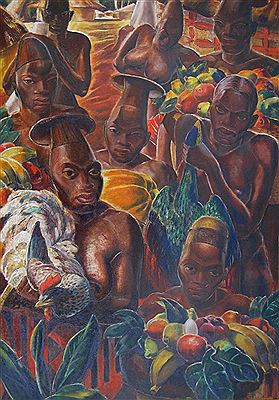
In 1927, he traveled extensively in Africa and used that subject matter for many years in his painting.
Memberships included the American Society for Aesthetics; Cleveland Society for Aesthetics, which in 1946 he served as President; Cleveland Museum of Modern Art; and the Archaeological Institute America.
Exhibition venues were: Cleveland Museum of Art, 1920-1958; Pennsylvania Academy of the Fine Arts; Brooklyn Museum; Museum of Modern Art; Art Institute of Chicago; Golden Gate Exposition, 1939; Carnegie Institute; Corcoran Gallery Biennials; Pasadena Art Institute, 1946; Butler Art Institute, 1936-1958; Ohio Watercolor Society, and Cleveland Art Association.
Source:
Peter Hastings Falk, Editor, Who Was Who in American Art