Page loaded successfully. Showing biography for Robert Deurloo.
Robert Deurloo BIOGRAPHY
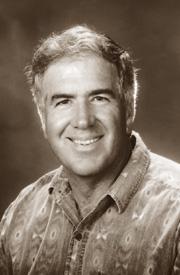
Born 1946 San Francisco, California. Known for: Wildlife sculpture.
Lots Sold: 88%, High Price: Subscribe.
Robert Deurloo began as a mining engineer in Wyoming, but twenty-five years ago he visited the Buffalo Bill Historical Center and was intrigued to try sculpting himself. A self-taught sculptor of... Read full biography
Robert Deurloo began as a mining engineer in Wyoming, but twenty-five years ago he visited the Buffalo Bill Historical Center and was intrigued to try sculpting himself. A self-taught sculptor of wild animals, he is known for the distinctive patinas of his bronze which give the appearance of... Read full biography
Robert Deurloo began as a mining engineer in Wyoming, but twenty-five years ago he visited the Buffalo Bill Historical Center and was intrigued to try sculpting himself. A self-taught sculptor of wild animals, he is known for the distinctive patinas of his bronze which give the appearance of polished stone. He achieves this by heating the bronze until it glows after it is cast and then treating it with acids and minerals. He lives in a wilderness area near Salmon, Idaho, surrounded by... Read full biography
Robert Deurloo began as a mining engineer in Wyoming, but twenty-five years ago he visited the Buffalo Bill Historical Center and was intrigued to try sculpting himself. A self-taught sculptor of wild animals, he is known for the distinctive patinas of his bronze which give the appearance of polished stone. He achieves this by heating the bronze until it glows after it is cast and then treating it with acids and minerals. He lives in a wilderness area near Salmon, Idaho, surrounded by mountains, forests and rivers inhabited by the animals that he sculpts. He has won numerous awards including "Best Sculpture" in the Collectors' Society in Minneapolis. In 1998, Smithsonian Institution personnel chose his bison sculpture, "Prairie Patriarch"... Read full biography
Robert Deurloo began as a mining engineer in Wyoming, but twenty-five years ago he visited the Buffalo Bill Historical Center and was intrigued to try sculpting himself. A self-taught sculptor of wild animals, he is known for the distinctive patinas of his bronze which give the appearance of polished stone. He achieves this by heating the bronze until it glows after it is cast and then treating it with acids and minerals. He lives in a wilderness area near Salmon, Idaho, surrounded by mountains, forests and rivers inhabited by the animals that he sculpts. He has won numerous awards including "Best Sculpture" in the Collectors' Society in Minneapolis. In 1998, Smithsonian Institution personnel chose his bison sculpture, "Prairie Patriarch" for their permanent collection because it is an all-American symbol. Source:. Buffalo Bill Art Show & Sale, 2003... Read full biography
Artist Biography
Biography page for Robert Deurloo ((Born 1946)), known for Wildlife sculpture. Showing 3 biographical entries and 0 sample artworks.
Robert Deurloo - Artist Info
About Robert Deurloo
Name variants
Robert Duerloo
Biography from the Archives of askART
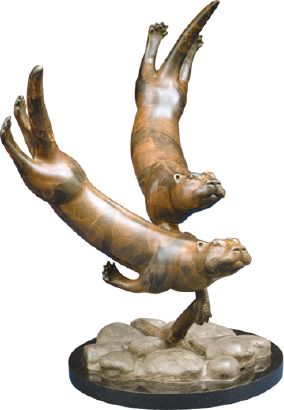 Robert Deurloo began as a mining engineer in Wyoming, but twenty-five years ago he visited the Buffalo Bill Historical Center and was intrigued to try sculpting himself. A self-taught sculptor of wild animals, he is known for the distinctive patinas of his bronze which give the appearance of polished stone. He achieves this by heating the bronze until it glows after it is cast and then treating it with acids and minerals.
He lives in a wilderness area near Salmon, Idaho, surrounded by mountains, forests and rivers inhabited by the animals that he sculpts. He has won numerous awards including "Best Sculpture" in the Collectors' Society in Minneapolis. In 1998, Smithsonian Institution personnel chose his bison sculpture, "Prairie Patriarch" for their permanent collection because it is an all-American symbol.
Source:
Buffalo Bill Art Show & Sale, 2003Biography from Davis Brothers Auction
Robert Deurloo, born in 1946, is a self-taught sculptor known for his wildlife sculptures with distinctive bronze patinas that resemble polished stone. He transitioned from a career as a mining engineer in Wyoming to sculpting after being inspired by a visit to the Buffalo Bill Historical Center. Deurloo resides in a wilderness area near Salmon, Idaho, where he is surrounded by the natural beauty and wildlife that inspire his artwork. His sculptures have garnered recognition, including awards such as "Best Sculpture" in the Collectors' Society in Minneapolis. In 1998, his bison sculpture "Prairie Patriarch" was selected by the Smithsonian Institution for their permanent collection due to its representation as an all-American symbol.Biography from Taos Gallery
A westerner by residence and subject matter, Robert Deurloo sculpts the wildlife he spends his days observing in the remote mountains of Salmon River country. Born in San Francisco in 1946, he grew up in Colorado and as a young man moved about, including a period of living in the rain forests of South America.
In 1989, Deurloo and his wife settled in Idaho in an area described by a writer for Wildlife Art (5/96) as "postcard-perfect." Deurloo says he "can step out my back door and my subjects are all around me. Within ten miles of where I live are all the animals I sculpt, with the exception of the grizzly. I have to go to Montana for that." Nearby is the town of Salmon, one of the most remote locations in the United States. It is ten miles from the Continental Divide and surrounded by National Forest and other wilderness areas.
Basically self-taught, he began sculpting in the 1970s when he saw in a museum some pieces he wanted but couldn't afford. So he decided to make his own. Since then he has won a number of awards including: "Best Sculpture" of the Collectors Society Show in Minneapolis; "Best Interpretive Bronze," Ducks Unlimited National Wildlife Show in Kansas City; and "Best Wildlife Sculpture" in the Saratoga Art Show.
Major distinguishing aspects of his sculpture are the patinas which cause his bronzes to have a polish finish resembling stone of the area where the depicted animal is native. A howling wolf may look like it was carved from the granite of the Sawtooth Mountains.
His work is a combination of abstraction and realism, and he prefers to suggest rather than leave nothing to viewer imagination. His reduction of some of the detail enhances the appearance of the stone, but for certain parts of the animal such as the antlers on a deer he is meticulous about detail.