Page loaded successfully. Showing biography for Robert MacGregor.
Robert MacGregor BIOGRAPHY
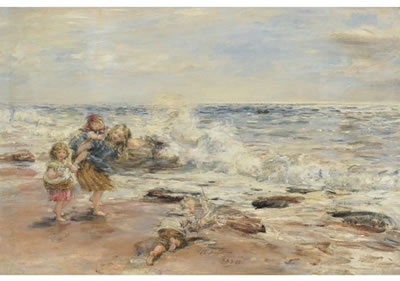
1848 Bradford - 1922. Known for: Figure, genre, landscape painting.
Born in Bradford to a Dunfermline businessman who settled for a time in Yorkshire, Robert McGregor returned to Scotland at an early age, settling in Edinburgh. He attended the RSA Life Schools and... Read full biography
Born in Bradford to a Dunfermline businessman who settled for a time in Yorkshire, Robert McGregor returned to Scotland at an early age, settling in Edinburgh. He attended the RSA Life Schools and first exhibited at the RSA in 1873. He was elected a member of the RSA in 1889. His work is exhibited... Read full biography
Born in Bradford to a Dunfermline businessman who settled for a time in Yorkshire, Robert McGregor returned to Scotland at an early age, settling in Edinburgh. He attended the RSA Life Schools and first exhibited at the RSA in 1873. He was elected a member of the RSA in 1889. His work is exhibited at the National Gallery of Scotland, Edinburgh City Collections and the public galleries of Glasgow, Dundee and Paisley. His work closely resembles his continental contemporaries rather than any... Read full biography
Born in Bradford to a Dunfermline businessman who settled for a time in Yorkshire, Robert McGregor returned to Scotland at an early age, settling in Edinburgh. He attended the RSA Life Schools and first exhibited at the RSA in 1873. He was elected a member of the RSA in 1889. His work is exhibited at the National Gallery of Scotland, Edinburgh City Collections and the public galleries of Glasgow, Dundee and Paisley. His work closely resembles his continental contemporaries rather than any Scottish work. Source: Auctions... Read full biography
Born in Bradford to a Dunfermline businessman who settled for a time in Yorkshire, Robert McGregor returned to Scotland at an early age, settling in Edinburgh. He attended the RSA Life Schools and first exhibited at the RSA in 1873. He was elected a member of the RSA in 1889. His work is exhibited at the National Gallery of Scotland, Edinburgh City Collections and the public galleries of Glasgow, Dundee and Paisley. His work closely resembles his continental contemporaries rather than any Scottish work. Source: Auctions... Read full biography
Artist Biography
Biography page for Robert MacGregor ((1848 - 1922)), known for Figure, genre, landscape painting. Showing 3 biographical entries and 0 sample artworks.
Robert MacGregor - Artist Info
About Robert MacGregor
Name variants
Robert McGregor
Biography from the Archives of askART
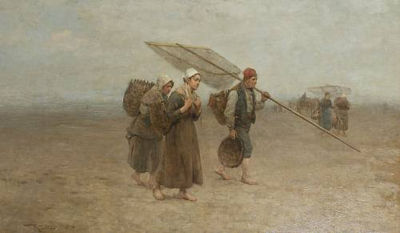 Born in Bradford to a Dunfermline businessman who settled for a time in Yorkshire, Robert McGregor returned to Scotland at an early age, settling in Edinburgh. He attended the RSA Life Schools and first exhibited at the RSA in 1873. He was elected a member of the RSA in 1889. His work is exhibited at the National Gallery of Scotland, Edinburgh City Collections and the public galleries of Glasgow, Dundee and Paisley. His work closely resembles his continental contemporaries rather than any Scottish work.
Source: AuctionsBiography from McTear's
Robert McGregor was born in Bradford to a Dunfermline businessman who later settled in Yorkshire before returning to Scotland at an early age. He settled in Edinburgh and attended the RSA Life Schools, exhibiting for the first time at the RSA in 1873. McGregor was elected a member of the RSA in 1889. His work can be found in various public galleries in Scotland, including the National Gallery of Scotland, Edinburgh City Collections, and galleries in Glasgow, Dundee, and Paisley. McGregor's artistic style closely resembles that of his continental contemporaries rather than traditional Scottish art.Biography from Lyon & Turnbull
Robert McGregor is renowned for his pioneering approach in the genre of work scenes of rural life. The genre acquired a dramatic popularity in France, where it was represented by Gustave Courbet and Jules Bastien-Lepage, however it hadn't reached Britain until the late 1870s. McGregor's simple pastorals are notable for a unique combination of the French influences on the one hand, and the artist's loyalty to the old traditions of the Scottish painting on the other. Among his most prominent works are The Knife-Grinder (1878), now in the McManus Museum, Dundee, and Gathering Stones (1879) in the Glasgow Art Gallery and Museum.
McGregor had no formal art training until his relocation to Edinburgh, where he later attended the Royal Scottish Academy, yet he is believed to have received some artistic instruction from a Frenchman while still in Yorkshire. Once at the R.S.A., McGregor made rapid progress, getting elected an associate in 1882. He became a full R.S.A. member seven years later. Although McGregor never worked in a foreign atelier, his style was influenced by continental painters, including Courbet and Millet. Unlike other Scottish painters, the majority of whom remained loyal to a local palette, in his colourist approach McGregor maintained a distinctively French use of the grey scale, with a light effect similar to that seen in black and white photography. Having adopted an artistic approach derived from the works of Courbet, McGregor frequently reduced the foreground of his paintings in order to increase a sense of the bulkiness of the peasants' figures. A brilliant example of such composition is Gathering Mussels depicting a young woman with a basket. The scene drawn from everyday life is executed in a warm palette, where thicker strokes of the pastel-blue sky in the top left corner are balanced with the deep-blue colour of the water and the girl's jacket. McGregor's use of heavier brushwork is softened by the elaborate lacework of the girl's headscarf. Gathering Mussels belongs to the eponymous series of works depicting peasants gathering clams in the setting of a distinctively Scottish coastal landscape. This large-scale work, executed in 1919, demonstrates the artist's use of grey tonality to create the effect of sunless weather and gives the painting a diffused silvery glow. Therefore, this later work represents one of the best examples of the artist's engagement with French painting techniques in the depiction of Scottish countryside settings.