Page loaded successfully. Showing biography for Samuel Cooper.
Samuel Cooper BIOGRAPHY
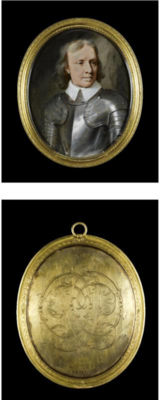
1609 London - 1672. Known for: Miniature painting.
Samuel Cooper was born in London where he and his brother, Alexander, were raised by his uncle John Hoskins. Hoskins was a miniature painter and trained the two brothers in the art of limning until... Read full biography
Samuel Cooper was born in London where he and his brother, Alexander, were raised by his uncle John Hoskins. Hoskins was a miniature painter and trained the two brothers in the art of limning until around 1641-1642 when Samuel set up an independent practice. It is possible that the studio of... Read full biography
Samuel Cooper was born in London where he and his brother, Alexander, were raised by his uncle John Hoskins. Hoskins was a miniature painter and trained the two brothers in the art of limning until around 1641-1642 when Samuel set up an independent practice. It is possible that the studio of Hoskins may have been close to that of Sir Anthony Van Dyck given that Samuel Cooper's earliest biographer, Richard Graham, noted that Cooper 'derived the most considerable advantages, from the observations... Read full biography
Samuel Cooper was born in London where he and his brother, Alexander, were raised by his uncle John Hoskins. Hoskins was a miniature painter and trained the two brothers in the art of limning until around 1641-1642 when Samuel set up an independent practice. It is possible that the studio of Hoskins may have been close to that of Sir Anthony Van Dyck given that Samuel Cooper's earliest biographer, Richard Graham, noted that Cooper 'derived the most considerable advantages, from the observations which he made on the works of Van Dyck (K. Hearn [ed.], exhibition catalogue Van Dyck & Britain, London, 2009, p. 181). One of Samuel Cooper's earliest miniatures, of circa 1635, depicts Van Dyck's mistress, Margaret Lemon. During the Civil War and... Read full biography
Samuel Cooper was born in London where he and his brother, Alexander, were raised by his uncle John Hoskins. Hoskins was a miniature painter and trained the two brothers in the art of limning until around 1641-1642 when Samuel set up an independent practice. It is possible that the studio of Hoskins may have been close to that of Sir Anthony Van Dyck given that Samuel Cooper's earliest biographer, Richard Graham, noted that Cooper 'derived the most considerable advantages, from the observations which he made on the works of Van Dyck (K. Hearn [ed.], exhibition catalogue Van Dyck & Britain, London, 2009, p. 181). One of Samuel Cooper's earliest miniatures, of circa 1635, depicts Van Dyck's mistress, Margaret Lemon. During the Civil War and interregnum period, Cooper's patrons included Oliver Cromwell, who commissioned portraits of his fa... Read full biography
Artist Biography
Biography page for Samuel Cooper ((1609 - 1672)), known for Miniature painting. Showing 1 biographical entries and 0 sample artworks.
Samuel Cooper - Artist Info
About Samuel Cooper
Biography from Christie's London, King Street
Samuel Cooper was born in London where he and his brother, Alexander, were raised by his uncle John Hoskins. Hoskins was a miniature painter and trained the two brothers in the art of limning until around 1641-1642 when Samuel set up an independent practice. It is possible that the studio of Hoskins may have been close to that of Sir Anthony Van Dyck given that Samuel Cooper's earliest biographer, Richard Graham, noted that Cooper 'derived the most considerable advantages, from the observations which he made on the works of Van Dyck (K. Hearn [ed.], exhibition catalogue Van Dyck & Britain, London, 2009, p. 181).
One of Samuel Cooper's earliest miniatures, of circa 1635, depicts Van Dyck's mistress, Margaret Lemon. During the Civil War and interregnum period, Cooper's patrons included Oliver Cromwell, who commissioned portraits of his family, and fellow Roundheads and Cavaliers. Following the Restoration in 1660 he caught the attention of King Charles II who had already learned of Cooper's reputation whilst in exile and by 1663 he had been appointed King's Limner. In 1660 or 1662 he drew the King's head for the coinage, watched by John Evelyn who held the candle to cast the shadows (see G. Reynolds, The Sixteenth and Seventeenth-century Miniatures in the Collection of Her Majesty The Queen, London, 1999, p. 127).
On Cooper's death in May 1672, the artist Charles Beale (1632-1705) wrote that he had been 'the most famous limner in the world for a face' (K. Hearn [ed.], supra.).