Page loaded successfully. Showing biography for Skule Waksvik.
Skule Waksvik BIOGRAPHY
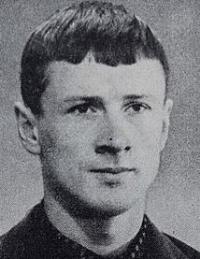
1927 Strinda, Norway - 2018. Known for: Abstract and realist nude figure, birds, animal and geometric steel shaped sculpture.
Lots Sold: 67%, High Price: Subscribe.
Skule Waksvik (22 December 1927 – 7 February 2018) was a Norwegian sculptor. He was born in Strinda to painter Bjarne Sigfred Waksvik and Gudrun Bøe. He was married three times, first to textile... Read full biography
Skule Waksvik (22 December 1927 – 7 February 2018) was a Norwegian sculptor. He was born in Strinda to painter Bjarne Sigfred Waksvik and Gudrun Bøe. He was married three times, first to textile artist Karin Sundbye, then to Aasa Lageraaen, and finally to Cathrine Stang. Waksvik is particularly... Read full biography
Skule Waksvik (22 December 1927 – 7 February 2018) was a Norwegian sculptor. He was born in Strinda to painter Bjarne Sigfred Waksvik and Gudrun Bøe. He was married three times, first to textile artist Karin Sundbye, then to Aasa Lageraaen, and finally to Cathrine Stang. Waksvik is particularly known for his animal sculptures, such as Hønefontenen at the Storting, Sjøløve at the National Gallery of Norway, Fontene med sjøløver in Haugesund, Fire elger in Elverum, and Avlsokse in Hamar. He has... Read full biography
Skule Waksvik (22 December 1927 – 7 February 2018) was a Norwegian sculptor. He was born in Strinda to painter Bjarne Sigfred Waksvik and Gudrun Bøe. He was married three times, first to textile artist Karin Sundbye, then to Aasa Lageraaen, and finally to Cathrine Stang. Waksvik is particularly known for his animal sculptures, such as Hønefontenen at the Storting, Sjøløve at the National Gallery of Norway, Fontene med sjøløver in Haugesund, Fire elger in Elverum, and Avlsokse in Hamar. He has also portrayed Petter Dass and the fictional Ann-Magritt from Johan Falkberget's books. Source:. Wikipedia, 2020... Read full biography
Skule Waksvik (22 December 1927 – 7 February 2018) was a Norwegian sculptor. He was born in Strinda to painter Bjarne Sigfred Waksvik and Gudrun Bøe. He was married three times, first to textile artist Karin Sundbye, then to Aasa Lageraaen, and finally to Cathrine Stang. Waksvik is particularly known for his animal sculptures, such as Hønefontenen at the Storting, Sjøløve at the National Gallery of Norway, Fontene med sjøløver in Haugesund, Fire elger in Elverum, and Avlsokse in Hamar. He has also portrayed Petter Dass and the fictional Ann-Magritt from Johan Falkberget's books. Source:. Wikipedia, 2020... Read full biography
Artist Biography
Biography page for Skule Waksvik ((1927 - 2018)), known for Abstract and realist nude figure, birds, animal and geometric steel shaped sculpture. Showing 2 biographical entries and 0 sample artworks.
Skule Waksvik - Artist Info
About Skule Waksvik
Biography from the Archives of askART
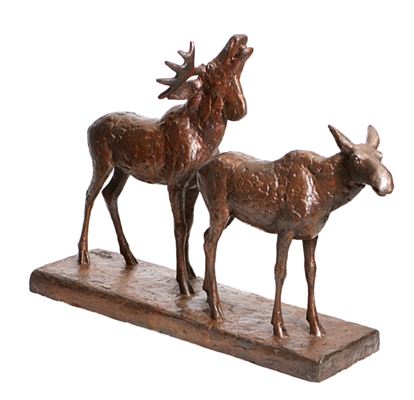 Skule Waksvik (22 December 1927 – 7 February 2018) was a Norwegian sculptor.
He was born in Strinda to painter Bjarne Sigfred Waksvik and Gudrun Bøe. He was married three times, first to textile artist Karin Sundbye, then to Aasa Lageraaen, and finally to Cathrine Stang.
Waksvik is particularly known for his animal sculptures, such as Hønefontenen at the Storting, Sjøløve at the National Gallery of Norway, Fontene med sjøløver in Haugesund, Fire elger in Elverum, and Avlsokse in Hamar.
He has also portrayed Petter Dass and the fictional Ann-Magritt from Johan Falkberget's books.
Source:
Wikipedia, 2020Biography from Grev Wedels Plass
In 1949, Skule Waksvik made an Henry Moore-inspired figure. It was at an exhibition Skule Waksvik had with his friend, the painter Gunnar S. Gundersen, in the Oslo Art Association. - Per Palle Storm, my Academy Professor, hated Henry Moore and his like-minded. He characterized the Moore team as "lazy," says Skule Waksvik. - But then Henry Moore was on a tour of Oslo and was guided from one sculpture to another.
When he came to Per Palle Storm's water-drinking youth at City Hall, Moore closed his eyes and characterized the sculpture as the best he had seen during his Oslo visit. A newspaper repeated this statement. From that day, the professor established that Henry Moore is one of the greatest sculptors of our time. When abstract modernism swept over Norway in the late 1950s, I also couldn't resist. I was influenced, like so many others, as a result of making a few non-figurative sculptures. But in the end I turned to the wits and went back to what lay - and still lies - my heart closest to it.
P. 24.