Page loaded successfully. Showing biography for Sybil Craig.
Sybil Craig BIOGRAPHY
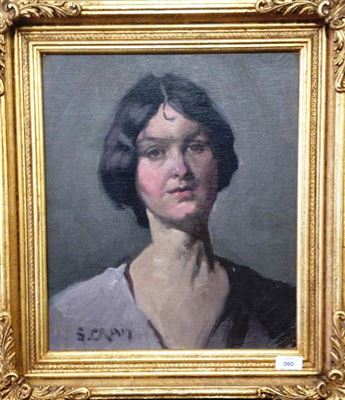
1901 - 1989. Known for: Painting.
Sybil Craig was a successful, confident and well-trained artist who made a considerable name for herself in Melbourne''s art world. A high point in a long career was her appointment as an Official... Read full biography
Sybil Craig was a successful, confident and well-trained artist who made a considerable name for herself in Melbourne''s art world. A high point in a long career was her appointment as an Official War Artist, one of just three women (the others being Nora Heysen and Stella Bowen) to be commissioned... Read full biography
Sybil Craig was a successful, confident and well-trained artist who made a considerable name for herself in Melbourne''s art world. A high point in a long career was her appointment as an Official War Artist, one of just three women (the others being Nora Heysen and Stella Bowen) to be commissioned in World War Two. Unlike her colleagues, Sybil Craig remained in Australia, depicting life on the Home Front. The highlight was a large group of works based around the female workers at the munitions... Read full biography
Sybil Craig was a successful, confident and well-trained artist who made a considerable name for herself in Melbourne''s art world. A high point in a long career was her appointment as an Official War Artist, one of just three women (the others being Nora Heysen and Stella Bowen) to be commissioned in World War Two. Unlike her colleagues, Sybil Craig remained in Australia, depicting life on the Home Front. The highlight was a large group of works based around the female workers at the munitions factory at Maribyrnong in Melbourne''s West. Fortunate in being financially able to pursue her chosen career without the need to marry, as many other women artists did, or indeed be under any pressure to sell, she was able to experiment with... Read full biography
Sybil Craig was a successful, confident and well-trained artist who made a considerable name for herself in Melbourne''s art world. A high point in a long career was her appointment as an Official War Artist, one of just three women (the others being Nora Heysen and Stella Bowen) to be commissioned in World War Two. Unlike her colleagues, Sybil Craig remained in Australia, depicting life on the Home Front. The highlight was a large group of works based around the female workers at the munitions factory at Maribyrnong in Melbourne''s West. Fortunate in being financially able to pursue her chosen career without the need to marry, as many other women artists did, or indeed be under any pressure to sell, she was able to experiment with modernist modes of expression at her own pace. Sybil involved herself in the many groups and societies that blossomed i... Read full biography
Artist Biography
Biography page for Sybil Craig ((1901 - 1989)), known for Painting. Showing 1 biographical entries and 0 sample artworks.
Sybil Craig - Artist Info
About Sybil Craig
Biography from Leonard Joel
Sybil Craig was a successful, confident and well-trained artist who made a considerable name for herself in Melbourne''s art world. A high point in a long career was her appointment as an Official War Artist, one of just three women (the others being Nora Heysen and Stella Bowen) to be commissioned in World War Two. Unlike her colleagues, Sybil Craig remained in Australia, depicting life on the Home Front. The highlight was a large group of works based around the female workers at the munitions factory at Maribyrnong in Melbourne''s West.
Fortunate in being financially able to pursue her chosen career without the need to marry, as many other women artists did, or indeed be under any pressure to sell, she was able to experiment with modernist modes of expression at her own pace. Sybil involved herself in the many groups and societies that blossomed in the 1930s, exhibiting with the Melbourne Society of Women Painters and Sculptors, the Victorian Artists Society and the Twenty Melbourne Painters.
She specialized in flower studies, depicting her subjects with a boldness, vibrancy and strength that resonates today just as it did more than half a century ago. Her charming study of Gordonias strikes an optimistic note of hope in the future, a positive statement made just months after six long years of wartime austerity.