Page loaded successfully. Showing biography for TaeHo Kim.
TaeHo Kim BIOGRAPHY
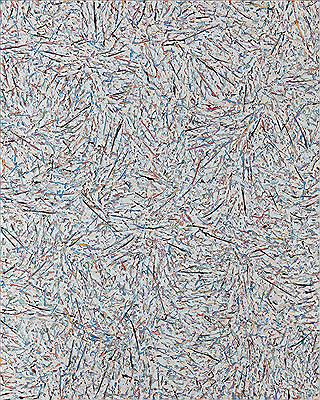
1948 Busan, Korea - 2022. Known for: Layered Internal Rhythm paintings carved into dense color strata.
Kim Tae-ho was born in 1948 in Busan, Korea. His work originates not from chance, but from meticulous planning and accumulated action. He developed his Internal Rhythm series by repeatedly layering... Read full biography
Kim Tae-ho was born in 1948 in Busan, Korea. His work originates not from chance, but from meticulous planning and accumulated action. He developed his Internal Rhythm series by repeatedly layering colors onto the canvas and—once the surface hardened—carving into it with a specially crafted blade.... Read full biography
Kim Tae-ho was born in 1948 in Busan, Korea. His work originates not from chance, but from meticulous planning and accumulated action. He developed his Internal Rhythm series by repeatedly layering colors onto the canvas and—once the surface hardened—carving into it with a specially crafted blade. While the work appears as a flat, monochromatic surface from a distance, a closer look reveals subtle undulations formed by horizontal and vertical rhythms and deep-seated color layers, creating a... Read full biography
Kim Tae-ho was born in 1948 in Busan, Korea. His work originates not from chance, but from meticulous planning and accumulated action. He developed his Internal Rhythm series by repeatedly layering colors onto the canvas and—once the surface hardened—carving into it with a specially crafted blade. While the work appears as a flat, monochromatic surface from a distance, a closer look reveals subtle undulations formed by horizontal and vertical rhythms and deep-seated color layers, creating a form that hovers between painting and relief. The internal strata—revealed as layers of color are built up and then carved away—create distinct textures that seem to faithfully record the speed and pressure of the artist’s hand movements and the... Read full biography
Kim Tae-ho was born in 1948 in Busan, Korea. His work originates not from chance, but from meticulous planning and accumulated action. He developed his Internal Rhythm series by repeatedly layering colors onto the canvas and—once the surface hardened—carving into it with a specially crafted blade. While the work appears as a flat, monochromatic surface from a distance, a closer look reveals subtle undulations formed by horizontal and vertical rhythms and deep-seated color layers, creating a form that hovers between painting and relief. The internal strata—revealed as layers of color are built up and then carved away—create distinct textures that seem to faithfully record the speed and pressure of the artist’s hand movements and the direction of the blade. Small facets within the grid structure establish a consistent rhythm across the canvas, while color variations and minute u... Read full biography
Artist Biography
Biography page for TaeHo Kim ((1948 - 2022)), known for Layered Internal Rhythm paintings carved into dense color strata. Showing 1 biographical entries and 0 sample artworks.
TaeHo Kim - Artist Info
About TaeHo Kim
Name variants
Tae-ho Kim, Kim TaeHo
Biography from Seoul Auction
Kim Tae-ho was born in 1948 in Busan, Korea. His work originates not from chance, but from meticulous planning and accumulated action. He developed his Internal Rhythm series by repeatedly layering colors onto the canvas and—once the surface hardened—carving into it with a specially crafted blade. While the work appears as a flat, monochromatic surface from a distance, a closer look reveals subtle undulations formed by horizontal and vertical rhythms and deep-seated color layers, creating a form that hovers between painting and relief.
The internal strata—revealed as layers of color are built up and then carved away—create distinct textures that seem to faithfully record the speed and pressure of the artist’s hand movements and the direction of the blade. Small facets within the grid structure establish a consistent rhythm across the canvas, while color variations and minute undulations created by the blade’s passage form a composition where rules and variations coexist. This structure maintains flatness while emphasizing tactile quality, possessing a unique density often likened to a “honeycomb painting”; it transcends the simple juxtaposition of color planes to evolve into a pictorial structure that reveals layers of time and labor.