Page loaded successfully. Showing biography for Thomas Yates.
Thomas Yates BIOGRAPHY
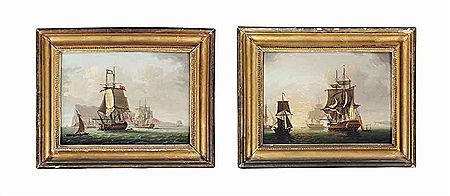
1760 England - 1796 London, England. Known for: British maritime painting, including naval battles, harbor scenes, and East Indiaman ships.
Thomas Yates (1760–1796) began his career in the Royal Navy, passing for lieutenant in 1782. He resigned his commission during peacetime in order to pursue a professional life in the arts, a... Read full biography
Thomas Yates (1760–1796) began his career in the Royal Navy, passing for lieutenant in 1782. He resigned his commission during peacetime in order to pursue a professional life in the arts, a transition that proved remarkably successful despite his short working life. Yates specialized in battle... Read full biography
Thomas Yates (1760–1796) began his career in the Royal Navy, passing for lieutenant in 1782. He resigned his commission during peacetime in order to pursue a professional life in the arts, a transition that proved remarkably successful despite his short working life. Yates specialized in battle scenes and marine subjects, producing finely detailed compositions that reflected both his naval experience and his technical skill as a painter. Between 1788 and 1794, Thomas Yates exhibited nine works... Read full biography
Thomas Yates (1760–1796) began his career in the Royal Navy, passing for lieutenant in 1782. He resigned his commission during peacetime in order to pursue a professional life in the arts, a transition that proved remarkably successful despite his short working life. Yates specialized in battle scenes and marine subjects, producing finely detailed compositions that reflected both his naval experience and his technical skill as a painter. Between 1788 and 1794, Thomas Yates exhibited nine works at the Royal Academy, establishing himself as a promising marine artist within London’s competitive artistic circles. His paintings were noted for their accuracy, atmospheric handling, and command of maritime detail. Yates’s rising career ended... Read full biography
Thomas Yates (1760–1796) began his career in the Royal Navy, passing for lieutenant in 1782. He resigned his commission during peacetime in order to pursue a professional life in the arts, a transition that proved remarkably successful despite his short working life. Yates specialized in battle scenes and marine subjects, producing finely detailed compositions that reflected both his naval experience and his technical skill as a painter. Between 1788 and 1794, Thomas Yates exhibited nine works at the Royal Academy, establishing himself as a promising marine artist within London’s competitive artistic circles. His paintings were noted for their accuracy, atmospheric handling, and command of maritime detail. Yates’s rising career ended abruptly on 29 August 1796, when he was killed during a domestic dispute. His early death, combined with a relatively brief period of artis... Read full biography
Artist Biography
Biography page for Thomas Yates ((1760 - 1796)), known for British maritime painting, including naval battles, harbor scenes, and East Indiaman ships. Showing 1 biographical entries and 0 sample artworks.
Thomas Yates - Artist Info
About Thomas Yates
Biography from Morphy Auctions
Thomas Yates (1760–1796) began his career in the Royal Navy, passing for lieutenant in 1782. He resigned his commission during peacetime in order to pursue a professional life in the arts, a transition that proved remarkably successful despite his short working life. Yates specialized in battle scenes and marine subjects, producing finely detailed compositions that reflected both his naval experience and his technical skill as a painter.
Between 1788 and 1794, Thomas Yates exhibited nine works at the Royal Academy, establishing himself as a promising marine artist within London’s competitive artistic circles. His paintings were noted for their accuracy, atmospheric handling, and command of maritime detail.
Yates’s rising career ended abruptly on 29 August 1796, when he was killed during a domestic dispute. His early death, combined with a relatively brief period of artistic production, has made surviving works by Thomas Yates extremely rare and highly sought after by collectors of eighteenth-century British marine painting.