Page loaded successfully. Showing biography for Tom Otterness.
Tom Otterness BIOGRAPHY
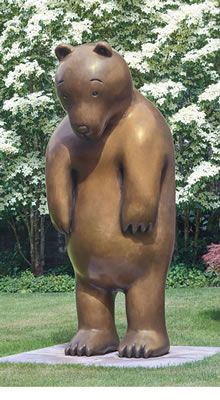
Born 1952 Wichita, Kansas. Known for: Whimsical, socially satirical bronze sculptures and large-scale public art installations worldwide..
Tom Otterness is best known for his figurative sculptures of plump, asymmetrical little people formed out of cast plaster or metal. These forms have a playful, even comical quality and are often... Read full biography
Tom Otterness is best known for his figurative sculptures of plump, asymmetrical little people formed out of cast plaster or metal. These forms have a playful, even comical quality and are often involved in some sort of activity or motion. Otterness was a founding member of the artist's activist... Read full biography
Tom Otterness is best known for his figurative sculptures of plump, asymmetrical little people formed out of cast plaster or metal. These forms have a playful, even comical quality and are often involved in some sort of activity or motion. Otterness was a founding member of the artist's activist group Colab in 1977 and has always had an interest in sculpting. He started out by selling small cast figurines that he made in the late 1970s. He became known for his white plaster friezes of the small... Read full biography
Tom Otterness is best known for his figurative sculptures of plump, asymmetrical little people formed out of cast plaster or metal. These forms have a playful, even comical quality and are often involved in some sort of activity or motion. Otterness was a founding member of the artist's activist group Colab in 1977 and has always had an interest in sculpting. He started out by selling small cast figurines that he made in the late 1970s. He became known for his white plaster friezes of the small figures engaged in acts of war and love. He held his first solo exhibition at the Brooke Alexander Gallery in New York in 1983. His decorative assemblages for the show were mounted above doorways and atop walls. It is clear that Otterness has been... Read full biography
Tom Otterness is best known for his figurative sculptures of plump, asymmetrical little people formed out of cast plaster or metal. These forms have a playful, even comical quality and are often involved in some sort of activity or motion. Otterness was a founding member of the artist's activist group Colab in 1977 and has always had an interest in sculpting. He started out by selling small cast figurines that he made in the late 1970s. He became known for his white plaster friezes of the small figures engaged in acts of war and love. He held his first solo exhibition at the Brooke Alexander Gallery in New York in 1983. His decorative assemblages for the show were mounted above doorways and atop walls. It is clear that Otterness has been influenced by the art and architecture of many cultures, reflecting the traditional uses of temple reliefs or adorned Greek structures.... Read full biography
Artist Biography
Biography page for Tom Otterness ((Born 1952)), known for Whimsical, socially satirical bronze sculptures and large-scale public art installations worldwide.. Showing 2 biographical entries and 0 sample artworks.
Tom Otterness - Artist Info
About Tom Otterness
Biography from the Archives of askART
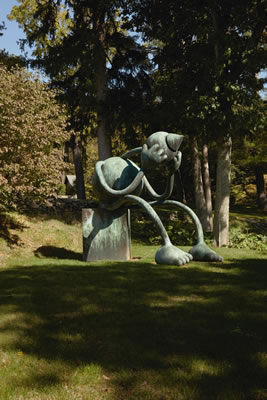 Tom Otterness is best known for his figurative sculptures of plump, asymmetrical little people formed out of cast plaster or metal. These forms have a playful, even comical quality and are often involved in some sort of activity or motion.
Otterness was a founding member of the artist's activist group Colab in 1977 and has always had an interest in sculpting. He started out by selling small cast figurines that he made in the late 1970s. He became known for his white plaster friezes of the small figures engaged in acts of war and love. He held his first solo exhibition at the Brooke Alexander Gallery in New York in 1983. His decorative assemblages for the show were mounted above doorways and atop walls.
It is clear that Otterness has been influenced by the art and architecture of many cultures, reflecting the traditional uses of temple reliefs or adorned Greek structures. His primitive figures seem almost familiar in their very human activities while telling a story in a comic strip fashion.
Otterness, born in Wichita, Kansas, attended the Arts Students League and participated in the Independent Study Program at the Whitney Museum of American Art. His work has been included in exhibitions at the Corcoran Gallery, Washington D.C. (1990), the Marlborough Gallery, New York (1997) and the John Berggruen Gallery, San Francisco (1998). He lives in New York City and works in Brooklyn.
Source: ARTnews
-----------------------------------------------------------------------------
Tom Otterness has become known through the subway system of New York City with his public works subway project. He has placed over 100 bronze sculptures between the 14th street and 8th Avenue subway stations. According to the artist his primary inspiration for this project came from reading information about early New York City history and the political cartoons by Thomas Nast about political corruption in the 1930's. Many of the cartoons depicted politicians with money bags for heads, which Otterness has incorporated into many of the sculptures throughout the subway.
Once a year, Tom Otterness opens his Brooklyn studio to the general public during the Open House New York weekend. The open house allows the public to view the sketches, paintings and sculptures in various phases of completion in the artist own environment.
Source: www.amny.com article and video interview.Biography from Phillips New York
Tom Otterness is an American artist whose career has spanned conceptual film, collaborative activism, and large-scale public sculpture. He first came to public attention in 1977 with Shot Dog Film, a conceptual work that generated significant controversy for its depiction of violence and cruelty. The piece, which Otterness later acknowledged as an indefensible act, established him early on as an artist willing to test the limits of social acceptability. The film was screened in Times Square and later aired on Manhattan Cable Television, drawing public criticism and long-term repercussions that resurfaced repeatedly over the decades.
In the late 1970s, Otterness played a central role in the formation of CoLab (Collaborative Projects), an interdisciplinary artist collective advocating for politically engaged practice and civic participation. CoLab became a defining force in New York’s downtown art scene, and Otterness contributed to landmark projects such as the 1980 Times Square Show, which helped shape the trajectory of alternative art spaces and artist-run initiatives.
By the 1980s, Otterness had shifted decisively away from the confrontational strategies of his early conceptual work, turning instead to lost-wax bronze sculpture and public art. His sculptures—often humorous, cartoonish, and satirical—populate parks, plazas, transit hubs, and civic spaces around the world. These works draw on art history, pop culture, capitalism, and social critique, using accessible visual language to explore themes of power, greed, and human folly. The shift marked a complete reorientation of his practice, replacing provocation with playful allegory.
Otterness is perhaps best known for Life Underground (2001), a permanent installation of small bronze figures—including alligators, workers, and money-bag characters—at New York’s 14th Street/Eighth Avenue subway station. Commissioned by the MTA’s Arts for Transit program for $200,000, the project has become one of the most recognizable and beloved public artworks in the city.
Today, Otterness is regarded as one of the most widely commissioned public artists internationally. His sculptures appear in major cities across the United States, Europe, and Asia, and he continues to work at a large scale in bronze, developing installations that blend whimsy with social commentary. He is represented by Marlborough Gallery in New York, maintaining an active presence in both public and private art spheres.