Page loaded successfully. Showing biography for Torsten Andersson.
Torsten Andersson BIOGRAPHY
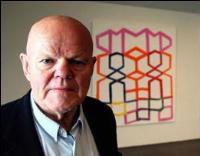
1926 Östra Sallerup, Sweden - 2009 Benarp, Sweden. Known for: Explorative painting, fictional sculptural portraits, and a rigorous, self-critical approach to his practice.
Torsten Andersson was born in 1926 in Östra Sallerup, Sweden, and died in 2009 in Benarp. Andersson was a Swedish visual artist who studied at the Royal Institute of Art in Stockholm from 1946 to... Read full biography
Torsten Andersson was born in 1926 in Östra Sallerup, Sweden, and died in 2009 in Benarp. Andersson was a Swedish visual artist who studied at the Royal Institute of Art in Stockholm from 1946 to 1950 and later served as Professor there from 1960 to 1966. Throughout his career, Andersson pursued an... Read full biography
Torsten Andersson was born in 1926 in Östra Sallerup, Sweden, and died in 2009 in Benarp. Andersson was a Swedish visual artist who studied at the Royal Institute of Art in Stockholm from 1946 to 1950 and later served as Professor there from 1960 to 1966. Throughout his career, Andersson pursued an explorative form of painting, seeking what he described as his own artistic language and a new path for the medium. He achieved an early breakthrough in the 1960s with works such as Måsen and Källan,... Read full biography
Torsten Andersson was born in 1926 in Östra Sallerup, Sweden, and died in 2009 in Benarp. Andersson was a Swedish visual artist who studied at the Royal Institute of Art in Stockholm from 1946 to 1950 and later served as Professor there from 1960 to 1966. Throughout his career, Andersson pursued an explorative form of painting, seeking what he described as his own artistic language and a new path for the medium. He achieved an early breakthrough in the 1960s with works such as Måsen and Källan, which marked a decisive shift in his approach. In later decades, Andersson focused on painting portraits of fictional sculptures, a body of work that reflects his interest in the tension between representation and invention. Known for his rigorous... Read full biography
Torsten Andersson was born in 1926 in Östra Sallerup, Sweden, and died in 2009 in Benarp. Andersson was a Swedish visual artist who studied at the Royal Institute of Art in Stockholm from 1946 to 1950 and later served as Professor there from 1960 to 1966. Throughout his career, Andersson pursued an explorative form of painting, seeking what he described as his own artistic language and a new path for the medium. He achieved an early breakthrough in the 1960s with works such as Måsen and Källan, which marked a decisive shift in his approach. In later decades, Andersson focused on painting portraits of fictional sculptures, a body of work that reflects his interest in the tension between representation and invention. Known for his rigorous self-criticism, Andersson frequently destroyed paintings he felt did not meet his own exacting standards. He received significant recognitio... Read full biography
Artist Biography
Biography page for Torsten Andersson ((1926 - 2009)), known for Explorative painting, fictional sculptural portraits, and a rigorous, self-critical approach to his practice. Showing 2 biographical entries and 0 sample artworks.
Torsten Andersson - Artist Info
About Torsten Andersson
Biography from Bukowski Stockholm
Torsten Andersson was born in 1926 in Östra Sallerup, Sweden, and died in 2009 in Benarp. Andersson was a Swedish visual artist who studied at the Royal Institute of Art in Stockholm from 1946 to 1950 and later served as Professor there from 1960 to 1966. Throughout his career, Andersson pursued an explorative form of painting, seeking what he described as his own artistic language and a new path for the medium. He achieved an early breakthrough in the 1960s with works such as Måsen and Källan, which marked a decisive shift in his approach.
In later decades, Andersson focused on painting portraits of fictional sculptures, a body of work that reflects his interest in the tension between representation and invention. Known for his rigorous self-criticism, Andersson frequently destroyed paintings he felt did not meet his own exacting standards. He received significant recognition during his lifetime, including the Carnegie Art Award, for which he won first prize in 2008, and the Chock Prize in 1997.
Andersson exhibited internationally and participated in the 32nd Venice Biennale in 1964 as well as the São Paulo Biennale in 1959 and 1983. Retrospective exhibitions of his work were held at Moderna Museet in 1986 and Malmö Konsthall in 1987.
His paintings have been shown in numerous solo and group exhibitions, including:
Gothenburg’s Art Museum (2008)
Moderna Museet in Stockholm (2006)
Zeno X Gallery in Antwerp (2003)
Kunstmuseum Bonn (1999)
Louisiana Museum of Modern Art in Humlebæk (1997)
Malmö Konstmuseum (1995)
Centre Georges Pompidou in Paris (1981)Biography from Stockholm Auktionsverk
Torsten Anderson was born in 1926 and died in 2009.
Torsten Anderson was a Swedish artist who worked with sculpture in the 1960s before switching to painting. Torsten worked hard to develop his own unique expression and language of painting, which he found in portraiture and abstract sculptures.
Towards the end of Anderson life, he incorporated softer forms of textile elements into his work.
Andersson was interested in the process of releasing and redeeming forms, which he believed was the content of his images. Lars Nittve described his painting as determined and decisive, impressing and puzzling the viewer.