Page loaded successfully. Showing biography for Victorio Macho.
Victorio Macho BIOGRAPHY
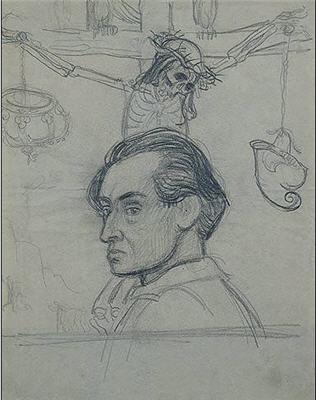
1887 Palencia - 1966. Known for: Sculpture, drawings.
A Spanish sculptor, he was born in Palencia, Dec. 23, 1887. The son of a poor carpenter, he became aware of his vocation at an early age when he came into contact with the sculpture of the Mannerist... Read full biography
A Spanish sculptor, he was born in Palencia, Dec. 23, 1887. The son of a poor carpenter, he became aware of his vocation at an early age when he came into contact with the sculpture of the Mannerist and Baroque artists of Castile. At the age of 17 he entered the Escuela de Bellas Artes in Madrid... Read full biography
A Spanish sculptor, he was born in Palencia, Dec. 23, 1887. The son of a poor carpenter, he became aware of his vocation at an early age when he came into contact with the sculpture of the Mannerist and Baroque artists of Castile. At the age of 17 he entered the Escuela de Bellas Artes in Madrid but immediately demonstrated his rejection of academic teaching by joining bohemian circles. He became the friend of the most interesting realist sculptor of the day, Julio Antonio, who encouraged him... Read full biography
A Spanish sculptor, he was born in Palencia, Dec. 23, 1887. The son of a poor carpenter, he became aware of his vocation at an early age when he came into contact with the sculpture of the Mannerist and Baroque artists of Castile. At the age of 17 he entered the Escuela de Bellas Artes in Madrid but immediately demonstrated his rejection of academic teaching by joining bohemian circles. He became the friend of the most interesting realist sculptor of the day, Julio Antonio, who encouraged him to undertake journeys through the most remote and forgotten villages of Castile in an attempt to find his own roots. On these journeys, between 1910 and 1915, Macho made a series of drawings of local people, shepherds and laborers (El hombre de... Read full biography
A Spanish sculptor, he was born in Palencia, Dec. 23, 1887. The son of a poor carpenter, he became aware of his vocation at an early age when he came into contact with the sculpture of the Mannerist and Baroque artists of Castile. At the age of 17 he entered the Escuela de Bellas Artes in Madrid but immediately demonstrated his rejection of academic teaching by joining bohemian circles. He became the friend of the most interesting realist sculptor of the day, Julio Antonio, who encouraged him to undertake journeys through the most remote and forgotten villages of Castile in an attempt to find his own roots. On these journeys, between 1910 and 1915, Macho made a series of drawings of local people, shepherds and laborers (El hombre de Madera, 1910-12; Toledo, Casa-Mus. Victorio Macho), and these inspired him to create his first sculptures of popular figures, for ex... Read full biography
Artist Biography
Biography page for Victorio Macho ((1887 - 1966)), known for Sculpture, drawings. Showing 1 biographical entries and 0 sample artworks.
Victorio Macho - Artist Info
About Victorio Macho
Biography from the Archives of askART
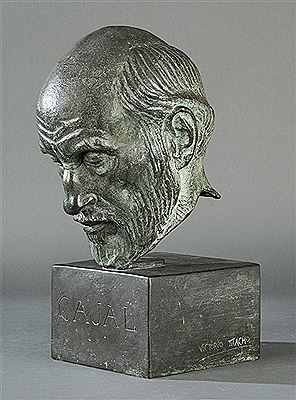 A Spanish sculptor, he was born in Palencia, Dec. 23, 1887. The son of a poor carpenter, he became aware of his vocation at an early age when he came into contact with the sculpture of the Mannerist and Baroque artists of Castile. At the age of 17 he entered the Escuela de Bellas Artes in Madrid but immediately demonstrated his rejection of academic teaching by joining bohemian circles. He became the friend of the most interesting realist sculptor of the day, Julio Antonio, who encouraged him to undertake journeys through the most remote and forgotten villages of Castile in an attempt to find his own roots. On these journeys, between 1910 and 1915, Macho made a series of drawings of local people, shepherds and laborers (El hombre de Madera, 1910-12; Toledo, Casa-Mus. Victorio Macho), and these inspired him to create his first sculptures of popular figures, for example Marinero Vasco (Toledo, Casa-Mus. Victorio Macho).
He held his first exhibition in 1921 at the Museo de Arte Moderno in Madrid. It had considerable success and established him as one of the leading Spanish sculptors. When the Civil War broke out, Macho went into exile, first in Paris (1937) and later in Lima, Peru. He returned to Spain in 1952 and settled in Toledo, where he continued to work and where he organized a museum, the Casa-Museo Victorio Macho, which houses most of his work. Macho's sculpture was of considerable importance in the development of the young avant-garde of the 1930s. Basing his work on ancient Egyptian models, and influenced by Emile-Antoine Bourdelle as well as by the formal freedom that Cubism had created, Macho produced sculptures dominated by closed volumes, great smooth planes and an architectural sense of composition, for example the monument to Dr Llorente (c. 1918; Madrid, San Justo Cemetery) and portrait of Miguel de Unamuno (granite and bronze, h. 1.2 m, 1929-30, U. Salamanca, Pal. Anaya). One of Macho's famous statues is his Statue of Christ which is the second largest, with the "Statue of Christ" in Rio de Janeiro, Brazil being larger. His innovative concept of the public monument can be clearly seen in one of his most interesting works, the monument to the novelist Benito Prez Galdes (1918) in the Parque del Retiro in Madrid. It depicts the writer seated in an armchair, wearing a dressing-gown and with his legs covered by a blanket.
Victorio Macho died on July 13, 1966.
Sources:
Art Encyclopedia
Answers .com
Information courtesy of Artie Klawans