Page loaded successfully. Showing biography for William H Simpson.
William H Simpson BIOGRAPHY
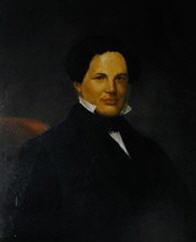
1818 Buffalo, New York - 1872 Boston, Massachusetts. Known for: Portrait.
Lots Sold: 0%.
William H. Simpson was an African American portraitist based in New York City. Born in 1818, Simpson showed early signs of artistic talent and broadened them through apprenticeships and training.... Read full biography
William H. Simpson was an African American portraitist based in New York City. Born in 1818, Simpson showed early signs of artistic talent and broadened them through apprenticeships and training. Simpson was fortunate enough to study under Matthew Henry Wilson, who was a professional Neoclassical... Read full biography
William H. Simpson was an African American portraitist based in New York City. Born in 1818, Simpson showed early signs of artistic talent and broadened them through apprenticeships and training. Simpson was fortunate enough to study under Matthew Henry Wilson, who was a professional Neoclassical portraitist. Wilson discovered his artistic talent and offered him a job as his assistant. They opened an art studio in Massachusetts that provided Simpson with a growing reputation as a portraitist.... Read full biography
William H. Simpson was an African American portraitist based in New York City. Born in 1818, Simpson showed early signs of artistic talent and broadened them through apprenticeships and training. Simpson was fortunate enough to study under Matthew Henry Wilson, who was a professional Neoclassical portraitist. Wilson discovered his artistic talent and offered him a job as his assistant. They opened an art studio in Massachusetts that provided Simpson with a growing reputation as a portraitist. Throughout his career, Simpson painted family and individual portraits for people all over the world. An African American writer, William Wells Brown, included Simpson in his books as “one of the most influential Africans in the West” (Farrington,... Read full biography
William H. Simpson was an African American portraitist based in New York City. Born in 1818, Simpson showed early signs of artistic talent and broadened them through apprenticeships and training. Simpson was fortunate enough to study under Matthew Henry Wilson, who was a professional Neoclassical portraitist. Wilson discovered his artistic talent and offered him a job as his assistant. They opened an art studio in Massachusetts that provided Simpson with a growing reputation as a portraitist. Throughout his career, Simpson painted family and individual portraits for people all over the world. An African American writer, William Wells Brown, included Simpson in his books as “one of the most influential Africans in the West” (Farrington, 71). Simpson commonly created portraits of abolitionists, antislavery advocates, and African American leaders who were pressing for the free... Read full biography
Artist Biography
Biography page for William H Simpson ((1818 - 1872)), known for Portrait. Showing 1 biographical entries and 0 sample artworks.
William H Simpson - Artist Info
About William H Simpson
Biography from the Archives of askART
William H. Simpson was an African American portraitist based in New York City. Born in 1818, Simpson showed early signs of artistic talent and broadened them through apprenticeships and training.
Simpson was fortunate enough to study under Matthew Henry Wilson, who was a professional Neoclassical portraitist. Wilson discovered his artistic talent and offered him a job as his assistant. They opened an art studio in Massachusetts that provided Simpson with a growing reputation as a portraitist.
Throughout his career, Simpson painted family and individual portraits for people all over the world. An African American writer, William Wells Brown, included Simpson in his books as “one of the most influential Africans in the West” (Farrington, 71). Simpson commonly created portraits of abolitionists, antislavery advocates, and African American leaders who were pressing for the freedom and equality of the oppressed.
William Simpson’s Neoclassical style displays most of his sitters in a temperate, yet emotional depiction in front of plain, dark backgrounds. Because he was trained by a European Neoclassical artist, his work mimics that of European masters, such as Titian, with a painterly and colorful style.
Simpson’s influential portraits of those pushing for the freedom and equality of African Americans is moving because it shows blacks they are not alone in the war for social justice. With the help of Brown, Simpson and his works became even more famous and exhibited that he, a black, was able to overcome prejudices and use his genius to achieve greatness and success.
Simpson and Joshua Johnson or Edmonia Lewis would be able to agree that representing the abolitionists who were active and proud in pushing for freedom for blacks was important because they should be acknowledged for their courage. These people were able to choose on their stance for slavery and racial equality, and they chose to help the minority because they believed all people had the right to liberty.
William Simpson’s portrait of Bishop Loguen was created in 1854. It is part of a pendant portrait of Bishop and his wife, Caroline E. Storum Loguen, who were abolitionists. They are rare Neoclassical portraits because they depict African Americans in the formal Neoclassical style. Bishop Loguen was a slave who escaped to Canada from Tennessee using the Underground Railroad. He and his wife then went to Syracuse where they assisted hundreds of slaves escape from slavery by opening their homes and becoming “station masters” of the Railroad.
Loguen was not only an active abolitionist, but he also helped in the local African Methodist Episcopal church. He was known for his abolitionist orating and his antislavery novel speaking of his life beginning when he was slave.
Simpson’s portrait of Bishop Loguen depicted him in the Neoclassical style as sober, sympathetic man in front of a dark background. It is a great likeness of the sitter with his unwavering stare and smirk “that exudes his gentility and intelligence” (Farrington, 70). He is wearing a black coat and white collared shirt that gives him the poise of a gentleman. However, Loguen and his wife are not given their ethnic physical features, but are instead given the features present in white, Neoclassical portraiture.
The portrait of Bishop Jermain W. Loguen presents the Salon with another example of an active abolitionist who assisted hundreds of slaves into freedom. His autobiography, The Rev. J.W. Loguen, as a Slave and as a Freeman, a Narrative of Real Life provided the world with a first hand witness of the horrors of slavery and the possibility of having a life after bondage.
Farrington, Lisa. African-American Art: A Visual and Cultural History. New York City: Oxford UP, 2017. Print.
Source: Taken from the NEOCLASSICAL SALON OF EQUALITY
Submitted by: Owen McKinney