Page loaded successfully. Showing biography for William Pope.
William Pope BIOGRAPHY
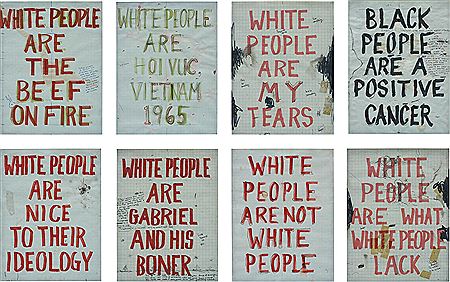
1955 Newark, New Jersey - 2023. Known for: Installations, street performance.
A professor of theater and rhetoric at Bates College in Lewiston, Maine, William Pope is an African-American artist whose installations and performances challenge stereotypes about black male... Read full biography
A professor of theater and rhetoric at Bates College in Lewiston, Maine, William Pope is an African-American artist whose installations and performances challenge stereotypes about black male identity. He is known for his "Crawl" projects, in which he crawls through city streets including ones in... Read full biography
A professor of theater and rhetoric at Bates College in Lewiston, Maine, William Pope is an African-American artist whose installations and performances challenge stereotypes about black male identity. He is known for his "Crawl" projects, in which he crawls through city streets including ones in New York, Tokyo, Boston, and Budapest, Hungary. Many of these projects were funded by the National Endowment for the Arts, but funding from that entity terminated in 1996 when Pope walked the streets... Read full biography
A professor of theater and rhetoric at Bates College in Lewiston, Maine, William Pope is an African-American artist whose installations and performances challenge stereotypes about black male identity. He is known for his "Crawl" projects, in which he crawls through city streets including ones in New York, Tokyo, Boston, and Budapest, Hungary. Many of these projects were funded by the National Endowment for the Arts, but funding from that entity terminated in 1996 when Pope walked the streets of Harlem wearing a 14-foot-long cardboard phallic projection. He stirred controversy in late 2001-2002 with his traveling show "William Pope.L:eRacism," organized by the Maine College of Art in Portland. It is the first large-scale exhibition of work... Read full biography
A professor of theater and rhetoric at Bates College in Lewiston, Maine, William Pope is an African-American artist whose installations and performances challenge stereotypes about black male identity. He is known for his "Crawl" projects, in which he crawls through city streets including ones in New York, Tokyo, Boston, and Budapest, Hungary. Many of these projects were funded by the National Endowment for the Arts, but funding from that entity terminated in 1996 when Pope walked the streets of Harlem wearing a 14-foot-long cardboard phallic projection. He stirred controversy in late 2001-2002 with his traveling show "William Pope.L:eRacism," organized by the Maine College of Art in Portland. It is the first large-scale exhibition of work by this artist to gain attention since the 1996 walk, but application for NEA funds was denied. However, the Andy Warhol foundation did support... Read full biography
Artist Biography
Biography page for William Pope ((1955 - 2023)), known for Installations, street performance. Showing 1 biographical entries and 0 sample artworks.
William Pope - Artist Info
About William Pope
Biography from the Archives of askART
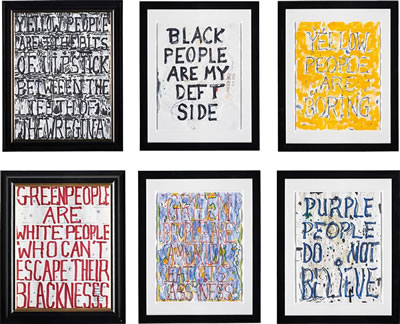 A professor of theater and rhetoric at Bates College in Lewiston, Maine, William Pope is an African-American artist whose installations and performances challenge stereotypes about black male identity. He is known for his "Crawl" projects, in which he crawls through city streets including ones in New York, Tokyo, Boston, and Budapest, Hungary. Many of these projects were funded by the National Endowment for the Arts, but funding from that entity terminated in 1996 when Pope walked the streets of Harlem wearing a 14-foot-long cardboard phallic projection.
He stirred controversy in late 2001-2002 with his traveling show "William Pope.L:eRacism," organized by the Maine College of Art in Portland. It is the first large-scale exhibition of work by this artist to gain attention since the 1996 walk, but application for NEA funds was denied. However, the Andy Warhol foundation did support the project with 50,000 dollars. Of the NEA denial, the artist says: "Whether they intended it or not, it's a good thing to raise these issues, and I hope it gets people looking at the image of cultures we have as a nation."
Source: ARTnews, February 2002, "NEA Back in the Spotlight," by Barbara Pollack