When Charles Keeling Lassiter [1926-2005] broke from the mainstream of the art world in the 1950s, he ignored the dominance of Pollock, Rothko, and the Abstract Expressionists. And he continued to... Read full biography
When Charles Keeling Lassiter [1926-2005] broke from the mainstream of the art world in the 1950s, he ignored the dominance of Pollock, Rothko, and the Abstract Expressionists. And he continued to reject the subsequent movements of Pop Art, Op Art, and Minimalism. Instead, his paintings are more... Read full biography
When Charles Keeling Lassiter [1926-2005] broke from the mainstream of the art world in the 1950s, he ignored the dominance of Pollock, Rothko, and the Abstract Expressionists. And he continued to reject the subsequent movements of Pop Art, Op Art, and Minimalism. Instead, his paintings are more spiritually aligned with those of Ensor, Dubuffet, and Klee. The central characters in his journeys are lively calligraphic figures, quizzical portraits, and bizarre animals, each invigorating either... Read full biography
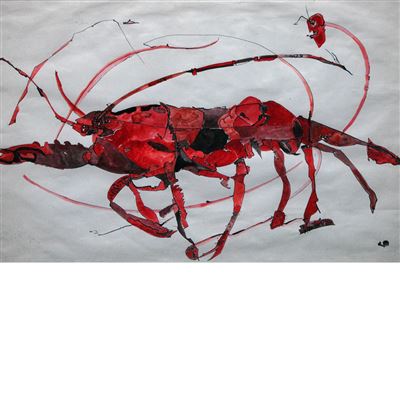
When Charles Keeling Lassiter [1926-2005] broke from the mainstream of the art world in the 1950s, he ignored the dominance of Pollock, Rothko, and the Abstract Expressionists. And he continued to reject the subsequent movements of Pop Art, Op Art, and Minimalism. Instead, his paintings are more spiritually aligned with those of Ensor, Dubuffet, and Klee. The central characters in his journeys are lively calligraphic figures, quizzical portraits, and bizarre animals, each invigorating either canvas or paper as their surreal dance floors. Like Narducci, Lassiter also lived entirely alone and became agoraphobic. In 1956, curators from MoMA were the first to recognize his work and featured it in a contemporary drawings exhibition. In addition... Read full biography
When Charles Keeling Lassiter [1926-2005] broke from the mainstream of the art world in the 1950s, he ignored the dominance of Pollock, Rothko, and the Abstract Expressionists. And he continued to reject the subsequent movements of Pop Art, Op Art, and Minimalism. Instead, his paintings are more spiritually aligned with those of Ensor, Dubuffet, and Klee. The central characters in his journeys are lively calligraphic figures, quizzical portraits, and bizarre animals, each invigorating either canvas or paper as their surreal dance floors. Like Narducci, Lassiter also lived entirely alone and became agoraphobic. In 1956, curators from MoMA were the first to recognize his work and featured it in a contemporary drawings exhibition. In addition to MoMA, his works can be now found in the Met, the Brooklyn Museum, Yale, and the Carnegie. Like Pica... Read full biography
Charles Keeling Lassiter - Artist Info
About Charles Keeling Lassiter: Books
Books & Publications (3)
Publications based on askART research. List may not be comprehensive.
The Artists Bluebook 34,000 North American Artists to March 2005
2005
AskART.com Inc. - Dunbier, Lonnie Pierson (Editor)
479 pages
Davenport's Art Reference: The Gold Edition
2005
Davenport, Ray
2,421 pages
The Art Collection of the First National Bank of Chicago