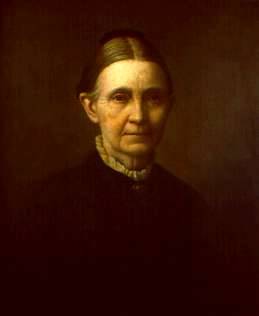
Another of the second generation of Scalp Level artists, Eugene Poole came to Pittsburgh via Baltimore in 1887. Before that, he had studied at the Pennsylvania Academy of Fine Art in Philadelphia,... Read full biography
Another of the second generation of Scalp Level artists, Eugene Poole came to Pittsburgh via Baltimore in 1887. Before that, he had studied at the Pennsylvania Academy of Fine Art in Philadelphia, and then at the Ecole des Beaux-Arts in Paris. Settling in his home state of Maryland upon his return,... Read full biography
Another of the second generation of Scalp Level artists, Eugene Poole came to Pittsburgh via Baltimore in 1887. Before that, he had studied at the Pennsylvania Academy of Fine Art in Philadelphia, and then at the Ecole des Beaux-Arts in Paris. Settling in his home state of Maryland upon his return, Poole found success as a portrait painter, most notably rendering a rare from-life image of General Robert E. Lee in the aftermath of the South's defeat in the Civil War. It was only after his... Read full biography
Another of the second generation of Scalp Level artists, Eugene Poole came to Pittsburgh via Baltimore in 1887. Before that, he had studied at the Pennsylvania Academy of Fine Art in Philadelphia, and then at the Ecole des Beaux-Arts in Paris. Settling in his home state of Maryland upon his return, Poole found success as a portrait painter, most notably rendering a rare from-life image of General Robert E. Lee in the aftermath of the South's defeat in the Civil War. It was only after his arrival in Pittsburgh, though, that he turned his attention to landscape, becoming particularly well known for his luminescent autumn scenes. In that regard, he is similar to the Hudson River School painter Jasper Cropsey, although his more painterly... Read full biography
Another of the second generation of Scalp Level artists, Eugene Poole came to Pittsburgh via Baltimore in 1887. Before that, he had studied at the Pennsylvania Academy of Fine Art in Philadelphia, and then at the Ecole des Beaux-Arts in Paris. Settling in his home state of Maryland upon his return, Poole found success as a portrait painter, most notably rendering a rare from-life image of General Robert E. Lee in the aftermath of the South's defeat in the Civil War. It was only after his arrival in Pittsburgh, though, that he turned his attention to landscape, becoming particularly well known for his luminescent autumn scenes. In that regard, he is similar to the Hudson River School painter Jasper Cropsey, although his more painterly brushstroke is more reminiscent of George Inness. This close association with autumnal paintings was noted in the American Art News 1... Read full biography
Eugene Alonzo Poole - Artist Info
About Eugene Alonzo Poole: Books
Books & Publications (10)
Publications based on askART research. List may not be comprehensive.
The Artists Bluebook 34,000 North American Artists to March 2005
2005
AskART.com Inc. - Dunbier, Lonnie Pierson (Editor)
479 pages
Davenport's Art Reference: The Gold Edition
2005
Davenport, Ray
2,421 pages
Who Was Who in American Art, 1564-1975: Three Volumes
1999
Falk, Peter Hastings (Editor)
3,724 pages
Art Across America: New England, New York, Mid-Atlantic (Volume One)
1990
Gerdts, William H
421 pages (color)
Southwestern Pennsylvania Painters Collection Westmorland Museum of Art
1989
Chew, Paul
138 pages (color)
Artists of the American West: Three Volumes A Biographical Dictionary
1985
Dawdy, Doris
1,184 pages
Who Was Who in American Art: Artists Active Between 1898-1947
1985
Falk, Peter Hastings (Editor)
707 pages
The Capital Image Painters in Washington 1800-1915 (Exhibition catalog)
1983
Cosentino, Andrew; Henry H. Glassie
280 pages (color)
Exhibition Record 1861-1900, National Academy of Design (Two Volumes Set) (Exhibition catalog)
1973
Naylor, Maria
1,075 pages
Mallet's Index of Artists: International-Biographical Two Volumes: Includes 1940 Index