1881 - 1941. Known for: Painting.
. Heinrich?Schröder, born in Germany in 1881, was a German-Austrian painter whose work occupies a distinctive position between Viennese Modernism and Western European Expressionism. In his...
Read full biography . Heinrich?Schröder, born in Germany in 1881, was a German-Austrian painter whose work occupies a distinctive position between Viennese Modernism and Western European Expressionism. In his expressively Cubist landscapes and still lifes, Heinrich?Schröder brought together influences from Egon...
Read full biography . Heinrich?Schröder, born in Germany in 1881, was a German-Austrian painter whose work occupies a distinctive position between Viennese Modernism and Western European Expressionism. In his expressively Cubist landscapes and still lifes, Heinrich?Schröder brought together influences from Egon Schiele and the French Fauves, shaping them into a rigorously structured and pared-down vision of nature. As his career progressed, Heinrich?Schröder’s work also absorbed elements of New Objectivity,...
Read full biography . Heinrich?Schröder, born in Germany in 1881, was a German-Austrian painter whose work occupies a distinctive position between Viennese Modernism and Western European Expressionism. In his expressively Cubist landscapes and still lifes, Heinrich?Schröder brought together influences from Egon Schiele and the French Fauves, shaping them into a rigorously structured and pared-down vision of nature. As his career progressed, Heinrich?Schröder’s work also absorbed elements of New Objectivity, further refining the clarity and restraint that became characteristic of his later style. Heinrich?Schröder died in 1941.
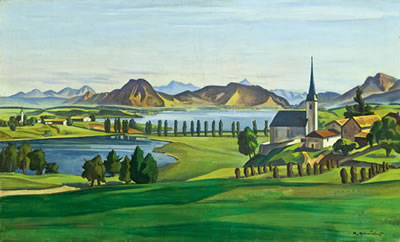
. Heinrich?Schröder, born in Germany in 1881, was a German-Austrian painter whose work occupies a distinctive position between Viennese Modernism and Western European Expressionism. In his expressively Cubist landscapes and still lifes, Heinrich?Schröder brought together influences from Egon Schiele and the French Fauves, shaping them into a rigorously structured and pared-down vision of nature. As his career progressed, Heinrich?Schröder’s work also absorbed elements of New Objectivity, further refining the clarity and restraint that became characteristic of his later style. Heinrich?Schröder died in 1941.