1627 Antwerp, Belgium - 1703 London, England. Known for: Landscape, figure, rural genre paintings.
Jan Sibrechts was a Dutch landscape painter and draftsman. The son of a sculptor of the same name, Siberechts became a master in the Guild of Saint Luke in Antwerp by 1648. His first paintings reveal...
Read full biography Jan Sibrechts was a Dutch landscape painter and draftsman. The son of a sculptor of the same name, Siberechts became a master in the Guild of Saint Luke in Antwerp by 1648. His first paintings reveal the influence of the Dutch Italiantes, but he developed his own independent style between 1661 and...
Read full biography Jan Sibrechts was a Dutch landscape painter and draftsman. The son of a sculptor of the same name, Siberechts became a master in the Guild of Saint Luke in Antwerp by 1648. His first paintings reveal the influence of the Dutch Italiantes, but he developed his own independent style between 1661 and 1672, often drawing inspiration from rustic Flemish life. He favored scenes with shallow crossings, or floods peopled with peasants with their cattle, hay wagons, and carts. An English duke who...
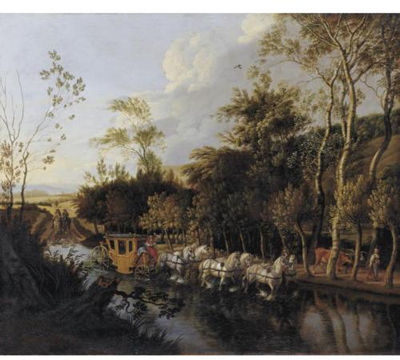
Read full biography Jan Sibrechts was a Dutch landscape painter and draftsman. The son of a sculptor of the same name, Siberechts became a master in the Guild of Saint Luke in Antwerp by 1648. His first paintings reveal the influence of the Dutch Italiantes, but he developed his own independent style between 1661 and 1672, often drawing inspiration from rustic Flemish life. He favored scenes with shallow crossings, or floods peopled with peasants with their cattle, hay wagons, and carts. An English duke who visited Flanders in 1670, invited Siberechts to England, where he remained until his death. His fresh views of the English countryside are among the country's earliest landscape paintings.
Jan Sibrechts was a Dutch landscape painter and draftsman. The son of a sculptor of the same name, Siberechts became a master in the Guild of Saint Luke in Antwerp by 1648. His first paintings reveal the influence of the Dutch Italiantes, but he developed his own independent style between 1661 and 1672, often drawing inspiration from rustic Flemish life. He favored scenes with shallow crossings, or floods peopled with peasants with their cattle, hay wagons, and carts. An English duke who visited Flanders in 1670, invited Siberechts to England, where he remained until his death. His fresh views of the English countryside are among the country's earliest landscape paintings.