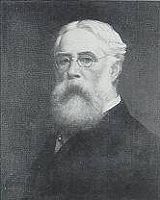
Born into a poor family in Durham, England, John George Brown earned a reputation as one of 19th-century America's most skilled painters of children, especially entrepreneurial, cheerful street... Read full biography
Born into a poor family in Durham, England, John George Brown earned a reputation as one of 19th-century America's most skilled painters of children, especially entrepreneurial, cheerful street urchins who earned a pittance as boot blacks, newspaper vendors, etc. In some circles, he was dubbed the... Read full biography
Born into a poor family in Durham, England, John George Brown earned a reputation as one of 19th-century America's most skilled painters of children, especially entrepreneurial, cheerful street urchins who earned a pittance as boot blacks, newspaper vendors, etc. In some circles, he was dubbed the "Boot Black Raphael" because of the glowing faces of his child figures and his skill of execution. His paintings of these sympathy-arousing children were so popular in a Victorian era of increased... Read full biography
Born into a poor family in Durham, England, John George Brown earned a reputation as one of 19th-century America's most skilled painters of children, especially entrepreneurial, cheerful street urchins who earned a pittance as boot blacks, newspaper vendors, etc. In some circles, he was dubbed the "Boot Black Raphael" because of the glowing faces of his child figures and his skill of execution. His paintings of these sympathy-arousing children were so popular in a Victorian era of increased industrialization that he became rich from painting sales as well as royalties from lithographs. Brown showed early drawing talent but was discouraged by his lawyer father who insisted that he learned a trade, so he apprenticed for seven years with a... Read full biography
Born into a poor family in Durham, England, John George Brown earned a reputation as one of 19th-century America's most skilled painters of children, especially entrepreneurial, cheerful street urchins who earned a pittance as boot blacks, newspaper vendors, etc. In some circles, he was dubbed the "Boot Black Raphael" because of the glowing faces of his child figures and his skill of execution. His paintings of these sympathy-arousing children were so popular in a Victorian era of increased industrialization that he became rich from painting sales as well as royalties from lithographs. Brown showed early drawing talent but was discouraged by his lawyer father who insisted that he learned a trade, so he apprenticed for seven years with a glass cutter at Newcastle-On-Tyne. He worked at this trade in Edinburgh, Scotland and attended the School of the Royal Scottish Academy under Robe... Read full biography
John George Brown - Artist Info
About John George Brown: Books
Books & Publications (138)
Publications based on askART research. List may not be comprehensive.
Visual Art and the Urban Evolution of the New South
2015
Pollack, Deborah C.
400 pages (color)
Fifty Gifts for Fifty Years: Sheldon Museum of Art
2013
Veneciano, Jorge Daniel (Introduction); Sharon Kennedy, Gregory Nosan, Brandon Ruud
112 pages (color)
The Artists Bluebook 34,000 North American Artists to March 2005
2005
AskART.com Inc. - Dunbier, Lonnie Pierson (Editor)
479 pages
Masterworks of American Painting at the De Young (De Young Museum)
2005
Burgard, Timothy Anglin; Daniell Cornell
573 pages (color)
Davenport's Art Reference: The Gold Edition
2005
Davenport, Ray
2,421 pages
Fine American Art from 1845 to 1960 (Spanierman Gallery, LLC (Exhibition catalog)
2005
Reis, Mary Clare; Lisa N. Peters et all
0 pages (color)
Paintings and Sculpture in the Collection of The National Academy of Design Volume One: 1826-1925
2004
Dearinger, David B.
672 pages (color)
Tales from the Easel: American Narrative Paintings from Southeastern Museums
2004
Eldredge and Eiland
0 pages (color)
All American: Paintings and Sculpture from the Collection of the Flint Institute of (Exhibition catalog)