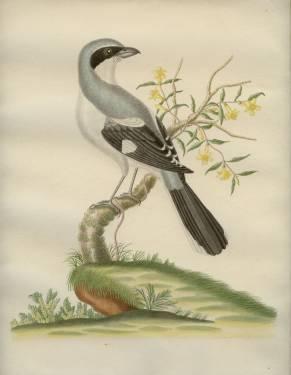
During the nineteenth century, John Abbot was widely recognized for his superbly mounted specimens and thousands of watercolors depicting the birds, insects, moths, butterflies, and flora and fauna... Read full biography
During the nineteenth century, John Abbot was widely recognized for his superbly mounted specimens and thousands of watercolors depicting the birds, insects, moths, butterflies, and flora and fauna of the Southern United States. His once-bright reputation has dimmed, however, in comparison to that... Read full biography
During the nineteenth century, John Abbot was widely recognized for his superbly mounted specimens and thousands of watercolors depicting the birds, insects, moths, butterflies, and flora and fauna of the Southern United States. His once-bright reputation has dimmed, however, in comparison to that of his fellow naturalist-artists and near-contemporaries Mark Catesby, John James Audubon, and William Bartram, all of whom also worked in the region. An autobiographical fragment discovered in the... Read full biography
During the nineteenth century, John Abbot was widely recognized for his superbly mounted specimens and thousands of watercolors depicting the birds, insects, moths, butterflies, and flora and fauna of the Southern United States. His once-bright reputation has dimmed, however, in comparison to that of his fellow naturalist-artists and near-contemporaries Mark Catesby, John James Audubon, and William Bartram, all of whom also worked in the region. An autobiographical fragment discovered in the files of the Museum of Comparative Zoology at Harvard University describes Abbot's life prior to his move to Georgia. Born in London, England, in June of 1751, John was the second (though first surviving) son born to John and Ann (Clousinger) Abbot.... Read full biography
During the nineteenth century, John Abbot was widely recognized for his superbly mounted specimens and thousands of watercolors depicting the birds, insects, moths, butterflies, and flora and fauna of the Southern United States. His once-bright reputation has dimmed, however, in comparison to that of his fellow naturalist-artists and near-contemporaries Mark Catesby, John James Audubon, and William Bartram, all of whom also worked in the region. An autobiographical fragment discovered in the files of the Museum of Comparative Zoology at Harvard University describes Abbot's life prior to his move to Georgia. Born in London, England, in June of 1751, John was the second (though first surviving) son born to John and Ann (Clousinger) Abbot. Two sisters and a brother completed the prosperous family. Abbot recollected that his youthful interest in drawing was spurred by th... Read full biography
John White Abbot - Artist Info
About John White Abbot: Books
Books & Publications (7)
Publications based on askART research. List may not be comprehensive.
The Artists Bluebook 34,000 North American Artists to March 2005
2005
AskART.com Inc. - Dunbier, Lonnie Pierson (Editor)
479 pages
John Abbot: Birds, Butterflies and Other Wonders
1998
Gilbert, Pamela
0 pages
John Abbot's Birds of Georgia: Selected Drawings from Houghton Library
1997
Abbot, John
0 pages (color)
A Southern Collection
1992
Pennington, Estill Curtis
246 pages (color)
Art Across America: The South, Near Midwest (Volume Two)
1990
Gerdts, William H
396 pages (color)
Look Away: Reality and Sentiment in Southern Art
1989
Pennington, Estill Curtis
200 pages (color)
The Natural History of the Rarer Lepidopterous Insects of Georgia