Born in Moscow, Russia, Nicola De Grandmaison became a Canadian painter of Indian portraits in pastel. His motto was: "Unless we appreciate the past, we will never have a future." . While serving as... Read full biography
Born in Moscow, Russia, Nicola De Grandmaison became a Canadian painter of Indian portraits in pastel. His motto was: "Unless we appreciate the past, we will never have a future." . While serving as an officer in the Russian Army during World War I, he was captured by the Germans. He then studied... Read full biography
Born in Moscow, Russia, Nicola De Grandmaison became a Canadian painter of Indian portraits in pastel. His motto was: "Unless we appreciate the past, we will never have a future." . While serving as an officer in the Russian Army during World War I, he was captured by the Germans. He then studied art in Paris and at St. John's Wood in London before emigrating in 1923 to Canada. When he did Indian portraits, he had the subjects sign the work. One of his portraits was of "High Eagle," the last... Read full biography
Born in Moscow, Russia, Nicola De Grandmaison became a Canadian painter of Indian portraits in pastel. His motto was: "Unless we appreciate the past, we will never have a future." . While serving as an officer in the Russian Army during World War I, he was captured by the Germans. He then studied art in Paris and at St. John's Wood in London before emigrating in 1923 to Canada. When he did Indian portraits, he had the subjects sign the work. One of his portraits was of "High Eagle," the last survivor of the Custer massacre. Because of his portrait skills, he was made an honorary chief of the Peigan Indian tribe. He also did a portrait of John Hunter, English portrait painter who spent much time in Taos, New Mexico. He lived much of his... Read full biography
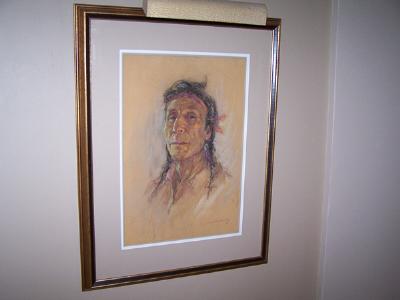
Born in Moscow, Russia, Nicola De Grandmaison became a Canadian painter of Indian portraits in pastel. His motto was: "Unless we appreciate the past, we will never have a future." . While serving as an officer in the Russian Army during World War I, he was captured by the Germans. He then studied art in Paris and at St. John's Wood in London before emigrating in 1923 to Canada. When he did Indian portraits, he had the subjects sign the work. One of his portraits was of "High Eagle," the last survivor of the Custer massacre. Because of his portrait skills, he was made an honorary chief of the Peigan Indian tribe. He also did a portrait of John Hunter, English portrait painter who spent much time in Taos, New Mexico. He lived much of his later life in Banff, Canada, and upon his death, he was buried in the Brocket Indian Cemetery in Brocket, Alberta.... Read full biography
Nicolas (Nicola Nicholas) De Grandmaison - Artist Info
About Nicolas (Nicola Nicholas) De Grandmaison: Books
Books & Publications (3)
Publications based on askART research. List may not be comprehensive.
The Artists Bluebook 34,000 North American Artists to March 2005
2005
AskART.com Inc. - Dunbier, Lonnie Pierson (Editor)
479 pages
History in their Blood Indian Portraits of Nicholas de Grandmaison
1982
Dempsey, Hugh A
124 pages (color)
The Illustrated Biographical Encyclopedia of Artists of the American West