The following biography is provided by Dan Hardison. From a small town in west Tennessee, Philip Perkins became an abstract painter widely acknowledged for his work. He is best known for his... Read full biography
The following biography is provided by Dan Hardison. From a small town in west Tennessee, Philip Perkins became an abstract painter widely acknowledged for his work. He is best known for his geometric, cubist influenced work of the forties. While most abstract art used flat unshaded color areas,... Read full biography
The following biography is provided by Dan Hardison. From a small town in west Tennessee, Philip Perkins became an abstract painter widely acknowledged for his work. He is best known for his geometric, cubist influenced work of the forties. While most abstract art used flat unshaded color areas, Perkins shaded geometric forms through deepening colors to give the work more body and a sense of rhythm. During the fifties, his work became more abstract expressionist in style with more spontaneous... Read full biography
The following biography is provided by Dan Hardison. From a small town in west Tennessee, Philip Perkins became an abstract painter widely acknowledged for his work. He is best known for his geometric, cubist influenced work of the forties. While most abstract art used flat unshaded color areas, Perkins shaded geometric forms through deepening colors to give the work more body and a sense of rhythm. During the fifties, his work became more abstract expressionist in style with more spontaneous brush strokes and less distinct forms. It was during the fifties that he began a series of religious work in a semi-abstract style. By the late sixties, his paintings had become more hard edge abstract through the use of bold shapes and the heavy... Read full biography
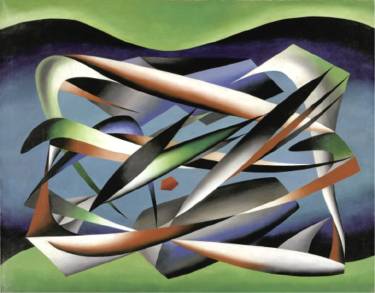
The following biography is provided by Dan Hardison. From a small town in west Tennessee, Philip Perkins became an abstract painter widely acknowledged for his work. He is best known for his geometric, cubist influenced work of the forties. While most abstract art used flat unshaded color areas, Perkins shaded geometric forms through deepening colors to give the work more body and a sense of rhythm. During the fifties, his work became more abstract expressionist in style with more spontaneous brush strokes and less distinct forms. It was during the fifties that he began a series of religious work in a semi-abstract style. By the late sixties, his paintings had become more hard edge abstract through the use of bold shapes and the heavy application of paint with the pallet knife. Philip Perkins was born in 1907 in Waverly, Tennessee. He studied at Vanderbilt Univers... Read full biography
Philip Perkins - Artist Info
About Philip Perkins: Books
Books & Publications (4)
Publications based on askART research. List may not be comprehensive.
The Artists Bluebook 34,000 North American Artists to March 2005
2005
AskART.com Inc. - Dunbier, Lonnie Pierson (Editor)
479 pages
Who Was Who in American Art, 1564-1975: Three Volumes
1999
Falk, Peter Hastings (Editor)
3,724 pages
Best of Art
1948
Genauer, Emily
182 pages (color)
Mallet's Index of Artists: International-Biographical Two Volumes: Includes 1940 Index