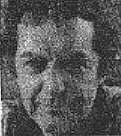
Seymour Rosofsky is one of the key figures in twentieth century Chicago art. Emerging in the late 1940s as part of the movement later dubbed the “Monster Roster,” alongside Leon Golub, Nancy Spero,... Read full biography
Seymour Rosofsky is one of the key figures in twentieth century Chicago art. Emerging in the late 1940s as part of the movement later dubbed the “Monster Roster,” alongside Leon Golub, Nancy Spero, June Leaf, and Dominick Di Meo, he initially painted grotesque, existentially angst-ridden figures,... Read full biography
Seymour Rosofsky is one of the key figures in twentieth century Chicago art. Emerging in the late 1940s as part of the movement later dubbed the “Monster Roster,” alongside Leon Golub, Nancy Spero, June Leaf, and Dominick Di Meo, he initially painted grotesque, existentially angst-ridden figures, perfect little monsters. By the early 1960s, Rosofsky had begun to develop a singularly fantastical style rooted in observational painting, creating unflinching masterworks like Unemployment Agency,... Read full biography
Seymour Rosofsky is one of the key figures in twentieth century Chicago art. Emerging in the late 1940s as part of the movement later dubbed the “Monster Roster,” alongside Leon Golub, Nancy Spero, June Leaf, and Dominick Di Meo, he initially painted grotesque, existentially angst-ridden figures, perfect little monsters. By the early 1960s, Rosofsky had begun to develop a singularly fantastical style rooted in observational painting, creating unflinching masterworks like Unemployment Agency, (which has hung in Mayor Rahm Emanuel’s office) and Homage to Spain, Thalydomide Children, Others (in the collection of the Art Institute of Chicago). Rosofsky’s brilliance as a painter is widely recognized, but he was also a spectacular draughtsman... Read full biography
Seymour Rosofsky is one of the key figures in twentieth century Chicago art. Emerging in the late 1940s as part of the movement later dubbed the “Monster Roster,” alongside Leon Golub, Nancy Spero, June Leaf, and Dominick Di Meo, he initially painted grotesque, existentially angst-ridden figures, perfect little monsters. By the early 1960s, Rosofsky had begun to develop a singularly fantastical style rooted in observational painting, creating unflinching masterworks like Unemployment Agency, (which has hung in Mayor Rahm Emanuel’s office) and Homage to Spain, Thalydomide Children, Others (in the collection of the Art Institute of Chicago). Rosofsky’s brilliance as a painter is widely recognized, but he was also a spectacular draughtsman with a particular interest in drawing as both a process and a medium. Source:. Website of... Read full biography
Seymour Rosofsky - Artist Info
About Seymour Rosofsky: Books
Books & Publications (11)
Publications based on askART research. List may not be comprehensive.
The Artists Bluebook 34,000 North American Artists to March 2005
2005
AskART.com Inc. - Dunbier, Lonnie Pierson (Editor)
479 pages
Davenport's Art Reference: The Gold Edition
2005
Davenport, Ray
2,421 pages
Union League Club of Chicago Art Collection
2003
Richter, Marianne; Wendy Greenhouse (Essays)
308 pages (color)
Who Was Who in American Art, 1564-1975: Three Volumes
1999
Falk, Peter Hastings (Editor)
3,724 pages
The Annual Exhibition Record of the Art Institute of Chicago (Exhibition catalog)
1990
Falk, Peter Hastings (Editor)
1,117 pages
Chicago, The City and Its Artists 1945-1978 (Exhibition catalog)
1978
Kirkpatrick, D/Charles Lewis
215 pages
Contemporary Figurative Painting in the Midwest Invitational Exhibition at the Madison Art Center (Exhibition catalog)
1977
Wilfer, Joseph E. (Intro)
52 pages
Who's Who in American Art, 1976 12th Edition
1976
Jaques Cattell Press
756 pages
The New Humanism Art in a Time of Change
1974
Schwartz, Barry
192 pages (color)
Fantastic Images Chicago Art since 1945
1972
Schulze, Franz
223 pages (color)
Human Concern/Personal Torment The Grotesque in American Art (Exhibition catalog)