Murakami made his debut as a modern artist with the 1991 solo exhibition "Takashi, Tamiya." In 1994 he was invited to New York to participate in the P.S.1 International Studio Program on a fellowship... Read full biography
Murakami made his debut as a modern artist with the 1991 solo exhibition "Takashi, Tamiya." In 1994 he was invited to New York to participate in the P.S.1 International Studio Program on a fellowship grant from the Rockefeller Foundation Asian Cultural Council, and founded his N.Y. studio during... Read full biography
Murakami made his debut as a modern artist with the 1991 solo exhibition "Takashi, Tamiya." In 1994 he was invited to New York to participate in the P.S.1 International Studio Program on a fellowship grant from the Rockefeller Foundation Asian Cultural Council, and founded his N.Y. studio during this stay. He returned to Japan the following year, 1995, and founded the HIRPON FACTORY in Asaka City, Saitama, as a production studio to help create his own works, as well as nurture and handle... Read full biography
Murakami made his debut as a modern artist with the 1991 solo exhibition "Takashi, Tamiya." In 1994 he was invited to New York to participate in the P.S.1 International Studio Program on a fellowship grant from the Rockefeller Foundation Asian Cultural Council, and founded his N.Y. studio during this stay. He returned to Japan the following year, 1995, and founded the HIRPON FACTORY in Asaka City, Saitama, as a production studio to help create his own works, as well as nurture and handle production for young artists. In 1998 he was invited to join the New Genre curriculum of the UCLA art department as guest professor (www.hiropon-factory.com). The artwork of Takashi Murakami draws from the language of popular and traditional Japanese... Read full biography
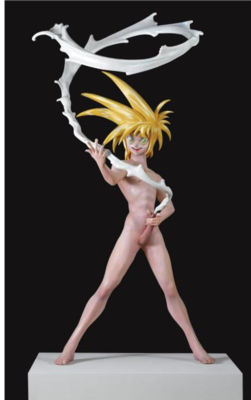
Murakami made his debut as a modern artist with the 1991 solo exhibition "Takashi, Tamiya." In 1994 he was invited to New York to participate in the P.S.1 International Studio Program on a fellowship grant from the Rockefeller Foundation Asian Cultural Council, and founded his N.Y. studio during this stay. He returned to Japan the following year, 1995, and founded the HIRPON FACTORY in Asaka City, Saitama, as a production studio to help create his own works, as well as nurture and handle production for young artists. In 1998 he was invited to join the New Genre curriculum of the UCLA art department as guest professor (www.hiropon-factory.com). The artwork of Takashi Murakami draws from the language of popular and traditional Japanese culture to comment on their relationship to contemporary life. Murakami's life-sized cyborgs, or human machines, are... Read full biography
Takashi Murakami - Artist Info
About Takashi Murakami: Books
Books & Publications (2)
Publications based on askART research. List may not be comprehensive.
San Francisco Museum of Modern Art 360 Views on the Collection (Exhibition catalog)
2016
Block, Judy and Suzanne Stein, Editors
360 pages (color)
The Artists Bluebook 34,000 North American Artists to March 2005
2005
AskART.com Inc. - Dunbier, Lonnie Pierson (Editor)