Page loaded successfully. Showing essays for Max Weber.
Artist Essays
Essays page for Max Weber ((1881 - 1961)), known for Cubist, futurist and fauvist painting-landscape, figure and still life. Showing 3 essays and articles.
Max Weber ESSAYS
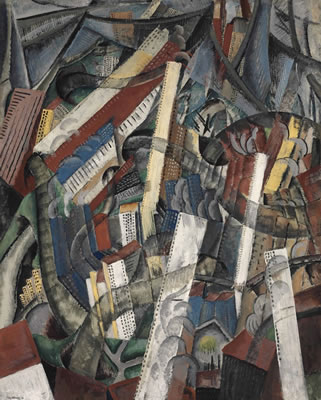
1881 Bialystok, Russia - 1961 Great Neck, New York. Known for: Cubist, futurist and fauvist painting-landscape, figure and still life.
One of the more stylistically pioneering of the early modernists, Max Weber was a key figure in introducing avant-garde* art to America. He worked in the mediums of oil, watercolor, printmaking and... Read full biography
One of the more stylistically pioneering of the early modernists, Max Weber was a key figure in introducing avant-garde* art to America. He worked in the mediums of oil, watercolor, printmaking and sculpture, and his subjects sometimes reflected the spiritualism of his religion. His styles included... Read full biography
One of the more stylistically pioneering of the early modernists, Max Weber was a key figure in introducing avant-garde* art to America. He worked in the mediums of oil, watercolor, printmaking and sculpture, and his subjects sometimes reflected the spiritualism of his religion. His styles included Fauvism*, Cubism*, Dynamism*, Expresssionism*, and Futurism* and reflected the broad spectrum of revolutionary art activity in Paris at the turn of the 19th into the 20th centuries. He also created... Read full biography
One of the more stylistically pioneering of the early modernists, Max Weber was a key figure in introducing avant-garde* art to America. He worked in the mediums of oil, watercolor, printmaking and sculpture, and his subjects sometimes reflected the spiritualism of his religion. His styles included Fauvism*, Cubism*, Dynamism*, Expresssionism*, and Futurism* and reflected the broad spectrum of revolutionary art activity in Paris at the turn of the 19th into the 20th centuries. He also created some social-realist paintings during the 1930s with depictions of factory scenes. These works reflected his left-wing political leanings, which he expressed as national chairman of the American Artists Congress, "the most powerful left-wing artists'... Read full biography
One of the more stylistically pioneering of the early modernists, Max Weber was a key figure in introducing avant-garde* art to America. He worked in the mediums of oil, watercolor, printmaking and sculpture, and his subjects sometimes reflected the spiritualism of his religion. His styles included Fauvism*, Cubism*, Dynamism*, Expresssionism*, and Futurism* and reflected the broad spectrum of revolutionary art activity in Paris at the turn of the 19th into the 20th centuries. He also created some social-realist paintings during the 1930s with depictions of factory scenes. These works reflected his left-wing political leanings, which he expressed as national chairman of the American Artists Congress, "the most powerful left-wing artists' organization of the period" (Baigell). He was a writer on topics of modern aesthetics including "The Fourth Dimension from a Pl... Read full biography