Page loaded successfully. Showing keywords for Antonio Calza.
Artist Keywords
Keywords page for Antonio Calza ((1653 - 1725)), known for Baroque battle paintings with dynamic storytelling and gory realism. Showing associated keywords and tags.
Antonio Calza KEYWORDS
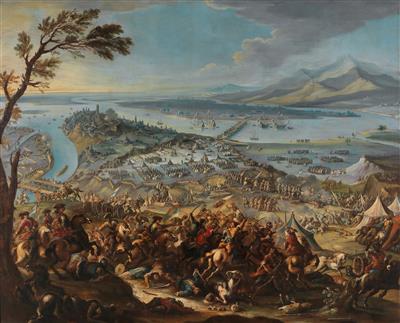
1653 - 1725. Known for: Baroque battle paintings with dynamic storytelling and gory realism.
Antonio Calza was a Baroque battle painter who led a wandering life, moving between various cities in Italy and Vienna. He was influenced by Salvator Rosa and Jacques Courtois, and his style is... Read full biography
Antonio Calza was a Baroque battle painter who led a wandering life, moving between various cities in Italy and Vienna. He was influenced by Salvator Rosa and Jacques Courtois, and his style is characterized by dynamic storytelling and gory realism. He may have been in Rome around 1670 to observe... Read full biography
Antonio Calza was a Baroque battle painter who led a wandering life, moving between various cities in Italy and Vienna. He was influenced by Salvator Rosa and Jacques Courtois, and his style is characterized by dynamic storytelling and gory realism. He may have been in Rome around 1670 to observe Borgognone's canvases from life, which influenced his style. His paintings are now found among others in the museums of Venice, Bologna, Milan, Rome and Florence. He is described as whimsical and... Read full biography
Antonio Calza was a Baroque battle painter who led a wandering life, moving between various cities in Italy and Vienna. He was influenced by Salvator Rosa and Jacques Courtois, and his style is characterized by dynamic storytelling and gory realism. He may have been in Rome around 1670 to observe Borgognone's canvases from life, which influenced his style. His paintings are now found among others in the museums of Venice, Bologna, Milan, Rome and Florence. He is described as whimsical and enterprising, and his works sometimes create complicated attribution problems.
Antonio Calza was a Baroque battle painter who led a wandering life, moving between various cities in Italy and Vienna. He was influenced by Salvator Rosa and Jacques Courtois, and his style is characterized by dynamic storytelling and gory realism. He may have been in Rome around 1670 to observe Borgognone's canvases from life, which influenced his style. His paintings are now found among others in the museums of Venice, Bologna, Milan, Rome and Florence. He is described as whimsical and enterprising, and his works sometimes create complicated attribution problems.