Page loaded successfully. Showing keywords for Carl Pluckebaum.
Artist Keywords
Keywords page for Carl Pluckebaum ((1880 - 1952)), known for Genre painting. Showing associated keywords and tags.
Carl Pluckebaum KEYWORDS
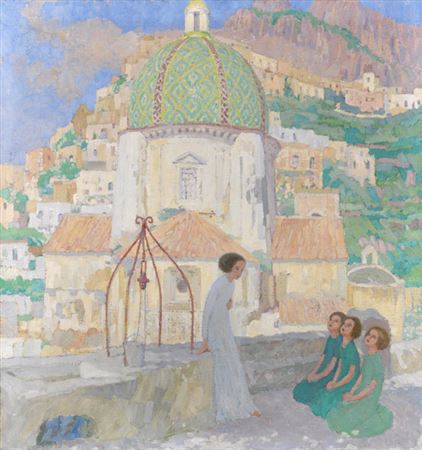
1880 Duesseldorf - 1952. Known for: Genre painting.
Carl Plückebaum (1880-1952), a German genre painter and etcher, is one of the most important representatives of the Dusseldorf Neo-Impressionism. At the age of fourteen, he began an apprenticeship as... Read full biography
Carl Plückebaum (1880-1952), a German genre painter and etcher, is one of the most important representatives of the Dusseldorf Neo-Impressionism. At the age of fourteen, he began an apprenticeship as a gilder in the church restorer's studio in Dusseldorf. During his spare time, he took private art... Read full biography
Carl Plückebaum (1880-1952), a German genre painter and etcher, is one of the most important representatives of the Dusseldorf Neo-Impressionism. At the age of fourteen, he began an apprenticeship as a gilder in the church restorer's studio in Dusseldorf. During his spare time, he took private art lessons from an art painter. During his five years of artistic training at the Dusseldorf Art Academy, he studied under Eduard von Gebhardt and Johann Peter Theodor Janssen. However, his picturesque... Read full biography
Carl Plückebaum (1880-1952), a German genre painter and etcher, is one of the most important representatives of the Dusseldorf Neo-Impressionism. At the age of fourteen, he began an apprenticeship as a gilder in the church restorer's studio in Dusseldorf. During his spare time, he took private art lessons from an art painter. During his five years of artistic training at the Dusseldorf Art Academy, he studied under Eduard von Gebhardt and Johann Peter Theodor Janssen. However, his picturesque imagination clashed with the rigid rules of the Academy's practice. In 1906, he became known to a wider audience due to an exhibition at the Städtische Kunsthalle. He traveled to Italy and spent a period of time at a Franciscan monastery in Fiesole,... Read full biography
Carl Plückebaum (1880-1952), a German genre painter and etcher, is one of the most important representatives of the Dusseldorf Neo-Impressionism. At the age of fourteen, he began an apprenticeship as a gilder in the church restorer's studio in Dusseldorf. During his spare time, he took private art lessons from an art painter. During his five years of artistic training at the Dusseldorf Art Academy, he studied under Eduard von Gebhardt and Johann Peter Theodor Janssen. However, his picturesque imagination clashed with the rigid rules of the Academy's practice. In 1906, he became known to a wider audience due to an exhibition at the Städtische Kunsthalle. He traveled to Italy and spent a period of time at a Franciscan monastery in Fiesole, where he decorated the monastery chapel of San Francesco with frescoes.... Read full biography