Page loaded successfully. Showing keywords for Caspar Schneider.
Artist Keywords
Keywords page for Caspar Schneider ((1753 - 1839)), known for Landscape and portrait painting and sculpture. Showing associated keywords and tags.
Caspar Schneider KEYWORDS
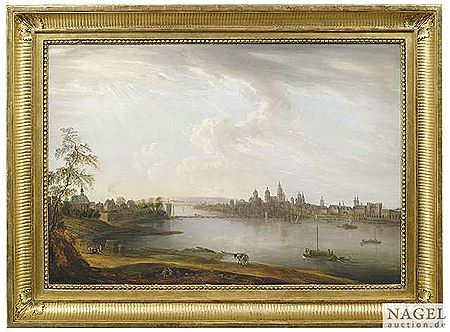
1753 Mainz - 1839 Mainz. Known for: Landscape and portrait painting and sculpture.
Johann Caspar Schneider was born in 1753 and died in 1839. His long artistic career was closely tied to his hometown of Mainz, and to the tumultuous events of his era. He trained at the Court of the... Read full biography
Johann Caspar Schneider was born in 1753 and died in 1839. His long artistic career was closely tied to his hometown of Mainz, and to the tumultuous events of his era. He trained at the Court of the Archbishop of Mainz, and soon became a well-respected landscape and portrait painter. He gained both... Read full biography
Johann Caspar Schneider was born in 1753 and died in 1839. His long artistic career was closely tied to his hometown of Mainz, and to the tumultuous events of his era. He trained at the Court of the Archbishop of Mainz, and soon became a well-respected landscape and portrait painter. He gained both aristocratic and bourgeoisie patrons, and was particularly well-known for his depictions of local landscapes. War and political upheaval forced him to flee from Mainz for some time, but he returned... Read full biography
Johann Caspar Schneider was born in 1753 and died in 1839. His long artistic career was closely tied to his hometown of Mainz, and to the tumultuous events of his era. He trained at the Court of the Archbishop of Mainz, and soon became a well-respected landscape and portrait painter. He gained both aristocratic and bourgeoisie patrons, and was particularly well-known for his depictions of local landscapes. War and political upheaval forced him to flee from Mainz for some time, but he returned for good in 1797.
Johann Caspar Schneider was born in 1753 and died in 1839. His long artistic career was closely tied to his hometown of Mainz, and to the tumultuous events of his era. He trained at the Court of the Archbishop of Mainz, and soon became a well-respected landscape and portrait painter. He gained both aristocratic and bourgeoisie patrons, and was particularly well-known for his depictions of local landscapes. War and political upheaval forced him to flee from Mainz for some time, but he returned for good in 1797.