Page loaded successfully. Showing keywords for Eanger Irving Couse.
Artist Keywords
Keywords page for Eanger Irving Couse ((1866 - 1936)), known for Indian figure and genre painting, illustration. Showing associated keywords and tags.
Eanger Irving Couse KEYWORDS
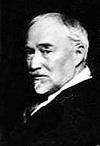
1866 Saginaw, Michigan - 1936 Albuquerque, New Mexico. Known for: Indian figure and genre painting, illustration.
Born in Saginaw, Michigan, Eanger Couse is primarily known for paintings of Taos Pueblo Indian males sitting or squatting by camp fire light, suggesting that Indians were peaceful, dignified human... Read full biography
Born in Saginaw, Michigan, Eanger Couse is primarily known for paintings of Taos Pueblo Indian males sitting or squatting by camp fire light, suggesting that Indians were peaceful, dignified human beings and not the savages of Western lore. Growing up in Saginaw, he lived among the Chippewa Indians... Read full biography
Born in Saginaw, Michigan, Eanger Couse is primarily known for paintings of Taos Pueblo Indian males sitting or squatting by camp fire light, suggesting that Indians were peaceful, dignified human beings and not the savages of Western lore. Growing up in Saginaw, he lived among the Chippewa Indians and as a youngster did sketches of these native people. From a poor family, he was a determined artist who studied for three months at the Art Institute of Chicago, having earned just enough money by... Read full biography
Born in Saginaw, Michigan, Eanger Couse is primarily known for paintings of Taos Pueblo Indian males sitting or squatting by camp fire light, suggesting that Indians were peaceful, dignified human beings and not the savages of Western lore. Growing up in Saginaw, he lived among the Chippewa Indians and as a youngster did sketches of these native people. From a poor family, he was a determined artist who studied for three months at the Art Institute of Chicago, having earned just enough money by painting houses, and then he returned to Saginaw to earn more money so he could go to New York City which he did in 1885. He enrolled in the National Academy of Design and did many odd jobs to support himself, and after two years returned to... Read full biography
Born in Saginaw, Michigan, Eanger Couse is primarily known for paintings of Taos Pueblo Indian males sitting or squatting by camp fire light, suggesting that Indians were peaceful, dignified human beings and not the savages of Western lore. Growing up in Saginaw, he lived among the Chippewa Indians and as a youngster did sketches of these native people. From a poor family, he was a determined artist who studied for three months at the Art Institute of Chicago, having earned just enough money by painting houses, and then he returned to Saginaw to earn more money so he could go to New York City which he did in 1885. He enrolled in the National Academy of Design and did many odd jobs to support himself, and after two years returned to Saginaw, again to earn money. In 1887, he went to Paris to the Academie Julian where his great influence became the superb draftsmanship and cla... Read full biography
Eanger Irving Couse - Artist Info
About Eanger Irving Couse: Keywords
Keywords (84)
Art Method
- •Easel Painting
- •Graphic Design, Printmaking, Lithography, Etching, Woodblocks
- •Illustration, Illustrator
- •Kachina (Katsina) Doll Carving
- •Murals: Design, Painting, Fresco, Mosaic, Glass
- •Plein Aire Painting, Plein-Air
Art Media
Art Style
- •Impressionism Before 1940
- •Realist, Representational, Naturalist Style
Art Subject
- •Animals, Mammals
- •Desert Landscape
- •Figure, Figurative Humans
- •Genre, Human Activity, Daily Life
- •Human Head Images, Portrait Heads, Faces
- •Indian Figure Prior to 1940
- •Indians, Native American Specialty
- •Indians, Native Americans
- •Industrial Scenes, Factories, Labor Genre and Figure
- •Landscape, Nature, Rural Scene
- •National Parks and/or State Parks
- •Nocturnes, Nightime Scenes
- •North American/Canadian Frontier, Pioneers
- •Nude Figure, Nudity
- •Pastoral Landscape
- •Portraits, Portraiture
- •Skyscape, Clouds and/or Storms
- •Western Art: Cowboys, Indians, Horses, Ranch Scenes
Geography/Places Lived and/or Worked
- •Arizona Before 1945
- •Barbizon, France
- •Europe
- •Grand Canyon, Arizona
- •Hopi Reservation, Arizona
- •Mystic, Connecticut
- •New Mexico Before 1940
- •Pacific Northwest Before 1900
- •Paris Studied and/or Worked Before 1900
- •Taos, New Mexico Before 1940
Art Association
- •American Federation of Arts
- •Boston Art Club
- •National Academy of Design, Elected Member
- •National Arts Club, New York
- •Salmagundi Club, New York City
- •Taos Society of Artists
Art Teacher
- •Tony Robert-Fleury
- •William Bouguereau
Art School
- •Academie Julian, Paris, Student
- •National Academy of Design School, New York, Student
- •School of the Art Institute of Chicago, Student
Chronology
- •Early 20th Century Before 1950
- •Late 19th Century, After Civil War
Art Collection
- •Anschutz Collection
- •Harmsen Western Art Collection
- •John & Dolores Beck Collection
- •John F Eulich Collection
- •Santa Fe Railroad Commissioned Art
- •Vandeveer Spratlen Collection
- •Walter Bimson Western Art Collection
- •William Foxley Collection-Western
Added Description
- •Figure Specialty
- •Genre Specialty
- •Married to an Artist
- •Railroad Promotion Commissioned Artist
Artist Colony
- •Taos Art Colony
Exhibition/Expo: Regional/National/International
- •AskART Panama Pacific Expo
- •Louisiana Purchase Expo, St. Louis World's Fair 1904
- •Panama Pacific Exhibition of 1915
- •World's Columbian Exposition, Chicago, 1892-1893
Exhibition of Art Association
- •Boston Art Club-
- •Lotos Club
- •National Academy of Design, New York
- •Salmagundi Club, New York City-
Exhibition of Museum
- •Art Institute of Chicago
- •Charles Russell Art Show/Auction/ and/or Museum
- •Corcoran Gallery and/or Art School, Washington DC
Exhibition of Commercial Art Gallery and/or Salon
- •Paris Salons
Exhibition By An Art School
- •The Pennsylvania Academy of the Fine Arts