Page loaded successfully. Showing keywords for Fritz Cremer.
Artist Keywords
Keywords page for Fritz Cremer ((1906 - 1993)), known for Sculpture. Showing associated keywords and tags.
Fritz Cremer KEYWORDS
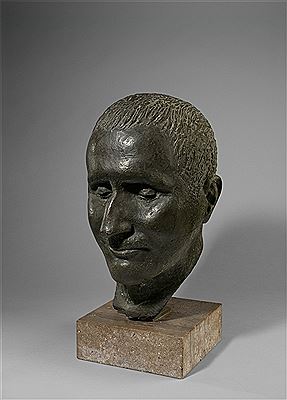
1906 Arnsberg, Westphalia - 1993 Berlin. Known for: Sculpture.
Fritz Cremer was born in 1906 in Arnsberg, Westphalia. At the age of 20 he joined the Communist 'Arbeiterjugend'. A little later he became a member of the Communist Party of Germany. From 1930-34 he... Read full biography
Fritz Cremer was born in 1906 in Arnsberg, Westphalia. At the age of 20 he joined the Communist 'Arbeiterjugend'. A little later he became a member of the Communist Party of Germany. From 1930-34 he studied at the Academy of Fine Arts in Berlin-Charlottenburg under Wilhelm Gerstel, becoming his... Read full biography
Fritz Cremer was born in 1906 in Arnsberg, Westphalia. At the age of 20 he joined the Communist 'Arbeiterjugend'. A little later he became a member of the Communist Party of Germany. From 1930-34 he studied at the Academy of Fine Arts in Berlin-Charlottenburg under Wilhelm Gerstel, becoming his master student, followed by two study trips to the Villa Massimo in Rome. During military service he fell in Yugoslavian captivity. After his release, he became professor of the sculpture class at the... Read full biography
Fritz Cremer was born in 1906 in Arnsberg, Westphalia. At the age of 20 he joined the Communist 'Arbeiterjugend'. A little later he became a member of the Communist Party of Germany. From 1930-34 he studied at the Academy of Fine Arts in Berlin-Charlottenburg under Wilhelm Gerstel, becoming his master student, followed by two study trips to the Villa Massimo in Rome. During military service he fell in Yugoslavian captivity. After his release, he became professor of the sculpture class at the Academy of Applied Arts in Vienna. In 1950 he moved to the East Germany where he taught at the Academy of Arts, serving as Vice President there from 1974-84.
Fritz Cremer was born in 1906 in Arnsberg, Westphalia. At the age of 20 he joined the Communist 'Arbeiterjugend'. A little later he became a member of the Communist Party of Germany. From 1930-34 he studied at the Academy of Fine Arts in Berlin-Charlottenburg under Wilhelm Gerstel, becoming his master student, followed by two study trips to the Villa Massimo in Rome. During military service he fell in Yugoslavian captivity. After his release, he became professor of the sculpture class at the Academy of Applied Arts in Vienna. In 1950 he moved to the East Germany where he taught at the Academy of Arts, serving as Vice President there from 1974-84.