Page loaded successfully. Showing keywords for George Ehrenfried Grosz.
Artist Keywords
Keywords page for George Ehrenfried Grosz ((1891/93 - 1959)), known for Political satire and caricature, Dada expression, educator. Showing associated keywords and tags.
George Ehrenfried Grosz KEYWORDS
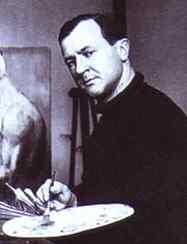
1891/93 Berlin, Germany - 1959 Berlin, Germany. Known for: Political satire and caricature, Dada expression, educator.
Best known for his Dada art and caustically satirical caricature works, Georg Ehrenfried Gross was born in Berlin in 1893, later changing his name to George Grosz. Some consider him to be perhaps the... Read full biography
Best known for his Dada art and caustically satirical caricature works, Georg Ehrenfried Gross was born in Berlin in 1893, later changing his name to George Grosz. Some consider him to be perhaps the most outstanding caricaturist and political satirist of the period following World War I. His... Read full biography
Best known for his Dada art and caustically satirical caricature works, Georg Ehrenfried Gross was born in Berlin in 1893, later changing his name to George Grosz. Some consider him to be perhaps the most outstanding caricaturist and political satirist of the period following World War I. His father was Karl Ehrenfried Gross, an innkeeper, and his mother's name was Marie Wilhelmine Luise. When George was only seven his father died. He and his mother then lived alternately in Berlin and Stolp,... Read full biography
Best known for his Dada art and caustically satirical caricature works, Georg Ehrenfried Gross was born in Berlin in 1893, later changing his name to George Grosz. Some consider him to be perhaps the most outstanding caricaturist and political satirist of the period following World War I. His father was Karl Ehrenfried Gross, an innkeeper, and his mother's name was Marie Wilhelmine Luise. When George was only seven his father died. He and his mother then lived alternately in Berlin and Stolp, Pomerania (now Poland), where Georg started secondary school in 1902. In 1908 he was expelled from school for disobedience (allegedly for returning a blow he had received from a trainee teacher). He passed the entrance exam to study at the Royal... Read full biography
Best known for his Dada art and caustically satirical caricature works, Georg Ehrenfried Gross was born in Berlin in 1893, later changing his name to George Grosz. Some consider him to be perhaps the most outstanding caricaturist and political satirist of the period following World War I. His father was Karl Ehrenfried Gross, an innkeeper, and his mother's name was Marie Wilhelmine Luise. When George was only seven his father died. He and his mother then lived alternately in Berlin and Stolp, Pomerania (now Poland), where Georg started secondary school in 1902. In 1908 he was expelled from school for disobedience (allegedly for returning a blow he had received from a trainee teacher). He passed the entrance exam to study at the Royal Academy of Art in Dresden where he specialized in graphic art, and as early as 1910 became involve... Read full biography
George Ehrenfried Grosz - Artist Info
About George Ehrenfried Grosz: Keywords
Keywords (80)
Art Method
- •Collage and/or Decoupage
- •Drawing, Draftsmanship, Draughtsman
- •Easel Painting
- •Graphic Design, Printmaking, Lithography, Etching, Woodblocks
- •Illustration, Illustrator
- •Murals: Design, Painting, Fresco, Mosaic, Glass
Art Media
Art Style
- •Abstract Figurative, Human Figure
- •Abstraction, Abstract
- •Cartoon Drawing, Cartoon Figures
- •Dada, Dadaism
- •Modernist, Modernism (Partially Abstract, Leading Edge)
- •Surrealism, Surrealist
Art Subject
- •Allegory, Metaphor, Parable
- •Botanics, Plant Life
- •Caricatures
- •Chinatown in Any North American City
- •Coastal View, Shoreline, Seaside
- •Figure, Figurative Humans
- •Genre, Human Activity, Daily Life
- •History: Historical Figures, Sites, Buildings, Events
- •Human Head Images, Portrait Heads, Faces
- •Humor, Whimsy
- •Landscape, Nature, Rural Scene
- •Marine, Maritime, Riverfront, Boats, Canoes, Steam Boats, Nautical
- •Nude Figure, Nudity
- •Portraits, Portraiture
- •Regionalism, Local Scene
- •Seascapes, Seasides
- •Self-Portrait
- •Still Life
- •Townscape, Village Scenes
- •Urban Landscape, Cityscape
Geography/Places Lived and/or Worked
- •Adirondack Mountains
- •Central Park, New York City
- •Long Island, New York
- •Provincetown, Massachusetts
Art Association
- •Associated American Artists
- •National Academy of Design, Elected Member
Art School
- •Academy Colarossi, Paris, Student
- •Art Students League of New York, Student
- •Art Students League of New York, Teacher
Awards/Recognition
- •Carol Beck Gold Medal, Pennsylvania Academy of Fine Arts
- •John Simon Guggenheim Memorial Fellowship
Chronology
- •Early 20th Century Before 1950
- •Late 20th Century After 1950
Art Collection
- •Edith and Milton Lowenthal
- •First National Bank of Chicago Collection
- •Sara Roby Foundation
- •Susan & Herbert Adler Collection
Added Description
- •Art Educator:Teaching, Scholarship, Workshops and/or Writing
- •Caricature Specialty
- •Cartoon Specialty
- •Civil War Artist and/or Photographer
- •Degenerate Artist, Nazi Germany
- •Figure Specialty
- •Genre Specialty
Ethnicity of Artist
- •German
Art Movement
- •November Group (German)
Exhibition of Art Association
- •National Academy of Design, New York
Exhibition of Museum
- •Art Institute of Chicago
- •Carnegie Institute, International Exhibition
- •Corcoran Gallery and/or Art School, Washington DC
- •Museum of Modern Art, New York
- •Solomon R. Guggenheim Museum/Museum of Non Objective Painting
- •Whitney Biennial Museum of American Art
Exhibition By An Art School
- •The Pennsylvania Academy of the Fine Arts