Page loaded successfully. Showing keywords for John Flaxman.
Artist Keywords
Keywords page for John Flaxman ((1755 - 1826)), known for Neo-classical portrait, religious and mythology sculpture, Wedgwood pottery design. Showing associated keywords and tags.
John Flaxman KEYWORDS
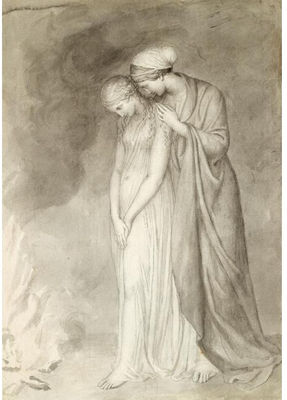
1755 York, Englnad - 1826 London, England. Known for: Neo-classical portrait, religious and mythology sculpture, Wedgwood pottery design.
John Flaxman (1755-1826). Designer*, draughtsman*, and one of the leading neoclassical* sculptors in England, Flaxman is known for his sculptures, drawings, engravings and designs for Wedgwood... Read full biography
John Flaxman (1755-1826). Designer*, draughtsman*, and one of the leading neoclassical* sculptors in England, Flaxman is known for his sculptures, drawings, engravings and designs for Wedgwood pottery. A prodigy in the art of sculpture, he was taken up by the great Italian neoclassicist Antonio... Read full biography
John Flaxman (1755-1826). Designer*, draughtsman*, and one of the leading neoclassical* sculptors in England, Flaxman is known for his sculptures, drawings, engravings and designs for Wedgwood pottery. A prodigy in the art of sculpture, he was taken up by the great Italian neoclassicist Antonio Canova (1757-1822) who helped him to win the important commission for the Fury of Athemas (1792). Flaxman's sculpture is a less dynamic reworking of Canova's own Hercules and Lichas (finished 1796), but... Read full biography
John Flaxman (1755-1826). Designer*, draughtsman*, and one of the leading neoclassical* sculptors in England, Flaxman is known for his sculptures, drawings, engravings and designs for Wedgwood pottery. A prodigy in the art of sculpture, he was taken up by the great Italian neoclassicist Antonio Canova (1757-1822) who helped him to win the important commission for the Fury of Athemas (1792). Flaxman's sculpture is a less dynamic reworking of Canova's own Hercules and Lichas (finished 1796), but despite this, it was greatly admired by his contemporaries. Returning to England, Flaxman benefited from the boom in the demand for heroic monuments to officers killed in the Napoleonic Wars, and his workmanlike classicism won him international fame... Read full biography
John Flaxman (1755-1826). Designer*, draughtsman*, and one of the leading neoclassical* sculptors in England, Flaxman is known for his sculptures, drawings, engravings and designs for Wedgwood pottery. A prodigy in the art of sculpture, he was taken up by the great Italian neoclassicist Antonio Canova (1757-1822) who helped him to win the important commission for the Fury of Athemas (1792). Flaxman's sculpture is a less dynamic reworking of Canova's own Hercules and Lichas (finished 1796), but despite this, it was greatly admired by his contemporaries. Returning to England, Flaxman benefited from the boom in the demand for heroic monuments to officers killed in the Napoleonic Wars, and his workmanlike classicism won him international fame during the period. His most famous works include monuments to Vice-Admiral Horatio Nelson (1808) a... Read full biography
John Flaxman - Artist Info
About John Flaxman: Keywords
Keywords (12)
Art Method
- •Book Illustration
- •Drawing, Draftsmanship, Draughtsman
- •Pottery Decoration, Design, Figurines
- •Sculpture, Three Dimensional Forms, Sculptor
Art Media
Art Subject
- •Commemorative, Memorial, Monument
Exhibition By An Art School
- •Royal Academy of Arts, London