Page loaded successfully. Showing keywords for Karl Peter Rohl.
Artist Keywords
Keywords page for Karl Peter Rohl ((1890 - 1975)), known for Painting and sculpture. Showing associated keywords and tags.
Karl Peter Rohl KEYWORDS
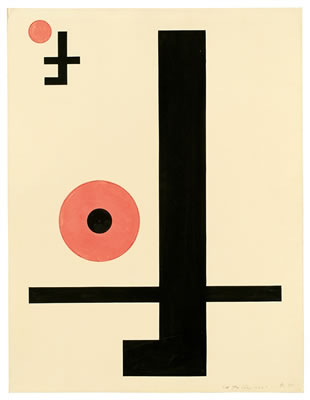
1890 Kiel - 1975 Kiel. Known for: Painting and sculpture.
Karl Peter Röhl (1890–1975) belongs to the generation of artists who were under the influence of the ‘Lebensreform’ [life reform] movement and the emergence of modernism in the arts. They wanted to... Read full biography
Karl Peter Röhl (1890–1975) belongs to the generation of artists who were under the influence of the ‘Lebensreform’ [life reform] movement and the emergence of modernism in the arts. They wanted to develop their utopian visions of a ‘new man’ after the trauma of World War I. He was a member of the... Read full biography
Karl Peter Röhl (1890–1975) belongs to the generation of artists who were under the influence of the ‘Lebensreform’ [life reform] movement and the emergence of modernism in the arts. They wanted to develop their utopian visions of a ‘new man’ after the trauma of World War I. He was a member of the artists’ group centered around Molzahn, and joined Herwarth Walden’s ‘Sturm’ circle in Berlin. Later becoming an influential ‘young master’ of the early Bauhaus and finally a member of the De Stijl... Read full biography
Karl Peter Röhl (1890–1975) belongs to the generation of artists who were under the influence of the ‘Lebensreform’ [life reform] movement and the emergence of modernism in the arts. They wanted to develop their utopian visions of a ‘new man’ after the trauma of World War I. He was a member of the artists’ group centered around Molzahn, and joined Herwarth Walden’s ‘Sturm’ circle in Berlin. Later becoming an influential ‘young master’ of the early Bauhaus and finally a member of the De Stijl group led by Theo van Doesburg in Weimar – and, as such, he was in touch with the focal points of the avant-garde in the 1920s.
Karl Peter Röhl (1890–1975) belongs to the generation of artists who were under the influence of the ‘Lebensreform’ [life reform] movement and the emergence of modernism in the arts. They wanted to develop their utopian visions of a ‘new man’ after the trauma of World War I. He was a member of the artists’ group centered around Molzahn, and joined Herwarth Walden’s ‘Sturm’ circle in Berlin. Later becoming an influential ‘young master’ of the early Bauhaus and finally a member of the De Stijl group led by Theo van Doesburg in Weimar – and, as such, he was in touch with the focal points of the avant-garde in the 1920s.