Page loaded successfully. Showing keywords for Luigi Bartezago.
Artist Keywords
Keywords page for Luigi Bartezago ((1820 - 1905)), known for Genre scenes and portraits in oil and watercolor. Showing associated keywords and tags.
Luigi Bartezago KEYWORDS
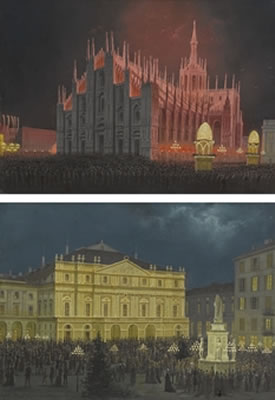
1820 - 1905. Known for: Genre scenes and portraits in oil and watercolor.
Luigi Enrico Bartezago was an Italian artist who flourished in the late 19th century, and was known for his genre scenes and portraits in oil and watercolor. Bartezago exhibited his work in Paris in... Read full biography
Luigi Enrico Bartezago was an Italian artist who flourished in the late 19th century, and was known for his genre scenes and portraits in oil and watercolor. Bartezago exhibited his work in Paris in 1878 and in Venice in 1887. In 1891-92, he won the Mylius prize from the Milan Academy for works... Read full biography
Luigi Enrico Bartezago was an Italian artist who flourished in the late 19th century, and was known for his genre scenes and portraits in oil and watercolor. Bartezago exhibited his work in Paris in 1878 and in Venice in 1887. In 1891-92, he won the Mylius prize from the Milan Academy for works dedicated to the Alps, which were popular at the time, and for his use of luminous contrast and symbolic values inspired by Giovanni Segantini.
Luigi Enrico Bartezago was an Italian artist who flourished in the late 19th century, and was known for his genre scenes and portraits in oil and watercolor. Bartezago exhibited his work in Paris in 1878 and in Venice in 1887. In 1891-92, he won the Mylius prize from the Milan Academy for works dedicated to the Alps, which were popular at the time, and for his use of luminous contrast and symbolic values inspired by Giovanni Segantini.
Luigi Enrico Bartezago was an Italian artist who flourished in the late 19th century, and was known for his genre scenes and portraits in oil and watercolor. Bartezago exhibited his work in Paris in 1878 and in Venice in 1887. In 1891-92, he won the Mylius prize from the Milan Academy for works dedicated to the Alps, which were popular at the time, and for his use of luminous contrast and symbolic values inspired by Giovanni Segantini.