Page loaded successfully. Showing keywords for Oleg Tistol.
Artist Keywords
Keywords page for Oleg Tistol ((Born 1960)), known for Critique of Soviet culture and re-evaluation of its clichés. Showing associated keywords and tags.
Oleg Tistol KEYWORDS
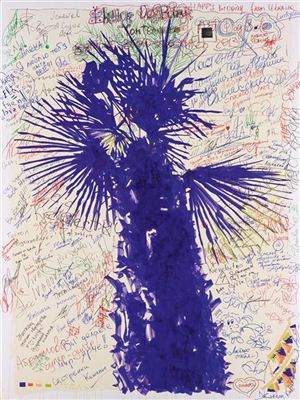
Born 1960. Known for: Critique of Soviet culture and re-evaluation of its clichés.
Oleg Tistol is a key representative of the Ukrainian New Wave, a group of artists which emerged during the period of perestroika and Ukraine’s Declaration of Independence in August 1991. He was born... Read full biography
Oleg Tistol is a key representative of the Ukrainian New Wave, a group of artists which emerged during the period of perestroika and Ukraine’s Declaration of Independence in August 1991. He was born in Ukraine and his art combines a critique of Soviet culture with a re-evaluation of its clichés.... Read full biography
Oleg Tistol is a key representative of the Ukrainian New Wave, a group of artists which emerged during the period of perestroika and Ukraine’s Declaration of Independence in August 1991. He was born in Ukraine and his art combines a critique of Soviet culture with a re-evaluation of its clichés. Tistol's art emerged at the intersection of the Soviet and post-Soviet epochs and is known for its vital, joyful, and playful atmosphere
Oleg Tistol is a key representative of the Ukrainian New Wave, a group of artists which emerged during the period of perestroika and Ukraine’s Declaration of Independence in August 1991. He was born in Ukraine and his art combines a critique of Soviet culture with a re-evaluation of its clichés. Tistol's art emerged at the intersection of the Soviet and post-Soviet epochs and is known for its vital, joyful, and playful atmosphere
Oleg Tistol is a key representative of the Ukrainian New Wave, a group of artists which emerged during the period of perestroika and Ukraine’s Declaration of Independence in August 1991. He was born in Ukraine and his art combines a critique of Soviet culture with a re-evaluation of its clichés. Tistol's art emerged at the intersection of the Soviet and post-Soviet epochs and is known for its vital, joyful, and playful atmosphere