Page loaded successfully. Showing keywords for Pierre Carrier-Belleuse.
Artist Keywords
Keywords page for Pierre Carrier-Belleuse ((1851 - 1932)), known for Ballet figure, portrait, genre, landscapes and historical painting. Showing associated keywords and tags.
Pierre Carrier-Belleuse KEYWORDS
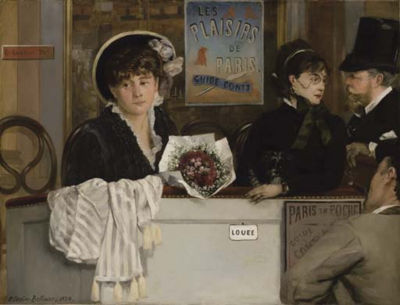
1851 Paris, France - 1932 Paris, France. Known for: Ballet figure, portrait, genre, landscapes and historical painting.
Until the 1870s, Montmartre, the section of Paris best remembered as the home of the Impressionists, Cubists, and other members of the avant-garde*, was a sleepy little village spotted with... Read full biography
Until the 1870s, Montmartre, the section of Paris best remembered as the home of the Impressionists, Cubists, and other members of the avant-garde*, was a sleepy little village spotted with windmills. However, as the city expanded in the late nineteenth century, Montmartre was incorporated into its... Read full biography
Until the 1870s, Montmartre, the section of Paris best remembered as the home of the Impressionists, Cubists, and other members of the avant-garde*, was a sleepy little village spotted with windmills. However, as the city expanded in the late nineteenth century, Montmartre was incorporated into its limits and soon became the hub of Parisian nightlife. In 1881, the famed Moulin Rouge opened its doors, delighting its customers with operettas, can-can girls, and dancers. The success of the Moulin... Read full biography
Until the 1870s, Montmartre, the section of Paris best remembered as the home of the Impressionists, Cubists, and other members of the avant-garde*, was a sleepy little village spotted with windmills. However, as the city expanded in the late nineteenth century, Montmartre was incorporated into its limits and soon became the hub of Parisian nightlife. In 1881, the famed Moulin Rouge opened its doors, delighting its customers with operettas, can-can girls, and dancers. The success of the Moulin Rouge inspired a number of music halls and cafés to spring up, including the Caran d'Ache, the Mirliton, and the infamous Folies-Bergère, and before long the pleasures available there attracted Parisians from all walks of life: workers, artists, the... Read full biography
Until the 1870s, Montmartre, the section of Paris best remembered as the home of the Impressionists, Cubists, and other members of the avant-garde*, was a sleepy little village spotted with windmills. However, as the city expanded in the late nineteenth century, Montmartre was incorporated into its limits and soon became the hub of Parisian nightlife. In 1881, the famed Moulin Rouge opened its doors, delighting its customers with operettas, can-can girls, and dancers. The success of the Moulin Rouge inspired a number of music halls and cafés to spring up, including the Caran d'Ache, the Mirliton, and the infamous Folies-Bergère, and before long the pleasures available there attracted Parisians from all walks of life: workers, artists, the middle class, the demi-mondaine, and aristocrats mingled together in Montmartre's cabarets and dance halls. Ev... Read full biography