Page loaded successfully. Showing keywords for Russell Sidney Reeve.
Artist Keywords
Keywords page for Russell Sidney Reeve ((1895 - 1970)), known for Skilled draughtsman, works in public collections. Showing associated keywords and tags.
Russell Sidney Reeve KEYWORDS
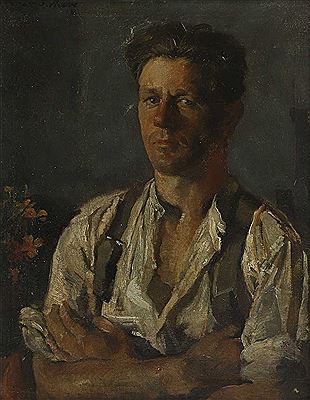
1895 - 1970. Known for: Skilled draughtsman, works in public collections.
Russell Sidney Reeve studied at the Slade under Philip Wilson Steer and Henry Tonks. He was described as the best draughtsman at the school since Augustus John. His works are held in public... Read full biography
Russell Sidney Reeve studied at the Slade under Philip Wilson Steer and Henry Tonks. He was described as the best draughtsman at the school since Augustus John. His works are held in public collections such as the UCLA Art Museum, the British Museum, and the V & A. In 1993, an exhibition at Ipswich... Read full biography
Russell Sidney Reeve studied at the Slade under Philip Wilson Steer and Henry Tonks. He was described as the best draughtsman at the school since Augustus John. His works are held in public collections such as the UCLA Art Museum, the British Museum, and the V & A. In 1993, an exhibition at Ipswich Borough Council Museums and Galleries showcased his work, with an introductory essay by Sir Eduardo Paolozzi.
Russell Sidney Reeve studied at the Slade under Philip Wilson Steer and Henry Tonks. He was described as the best draughtsman at the school since Augustus John. His works are held in public collections such as the UCLA Art Museum, the British Museum, and the V & A. In 1993, an exhibition at Ipswich Borough Council Museums and Galleries showcased his work, with an introductory essay by Sir Eduardo Paolozzi.
Russell Sidney Reeve studied at the Slade under Philip Wilson Steer and Henry Tonks. He was described as the best draughtsman at the school since Augustus John. His works are held in public collections such as the UCLA Art Museum, the British Museum, and the V & A. In 1993, an exhibition at Ipswich Borough Council Museums and Galleries showcased his work, with an introductory essay by Sir Eduardo Paolozzi.