Page loaded successfully. Showing keywords for Suzuki Kiitsu.
Artist Keywords
Keywords page for Suzuki Kiitsu ((1796 - 1858)), known for Painting. Showing associated keywords and tags.
Suzuki Kiitsu KEYWORDS
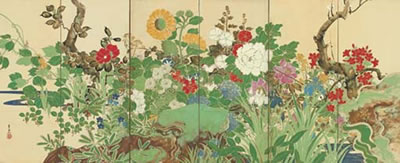
1796 Orni Province - 1858. Known for: Painting.
The son of a dyer, Suzuki Kiitsu was born in Omi Province and moved to Edo. He was the leading disciple of Sakai Hoitsu (1761-1829) and married the elder sister of a fellow student of Hoitsu's,... Read full biography
The son of a dyer, Suzuki Kiitsu was born in Omi Province and moved to Edo. He was the leading disciple of Sakai Hoitsu (1761-1829) and married the elder sister of a fellow student of Hoitsu's, Suzuki Reitan (1782-1817), becoming head of the Suzuki family when Reitan died. After assisting in many... Read full biography
The son of a dyer, Suzuki Kiitsu was born in Omi Province and moved to Edo. He was the leading disciple of Sakai Hoitsu (1761-1829) and married the elder sister of a fellow student of Hoitsu's, Suzuki Reitan (1782-1817), becoming head of the Suzuki family when Reitan died. After assisting in many of Hoitsu's later works, Kiitsu went on to develop his own version of the Edo-Rinpa style and played an important part in ensuring its transmission down to modern times.
The son of a dyer, Suzuki Kiitsu was born in Omi Province and moved to Edo. He was the leading disciple of Sakai Hoitsu (1761-1829) and married the elder sister of a fellow student of Hoitsu's, Suzuki Reitan (1782-1817), becoming head of the Suzuki family when Reitan died. After assisting in many of Hoitsu's later works, Kiitsu went on to develop his own version of the Edo-Rinpa style and played an important part in ensuring its transmission down to modern times.
The son of a dyer, Suzuki Kiitsu was born in Omi Province and moved to Edo. He was the leading disciple of Sakai Hoitsu (1761-1829) and married the elder sister of a fellow student of Hoitsu's, Suzuki Reitan (1782-1817), becoming head of the Suzuki family when Reitan died. After assisting in many of Hoitsu's later works, Kiitsu went on to develop his own version of the Edo-Rinpa style and played an important part in ensuring its transmission down to modern times.