Page loaded successfully. Showing keywords for Ugo Cipriani.
Artist Keywords
Keywords page for Ugo Cipriani ((1887 - 1960)), known for Portrait bust, nude female and fishermen sculpture. Showing associated keywords and tags.
Ugo Cipriani KEYWORDS
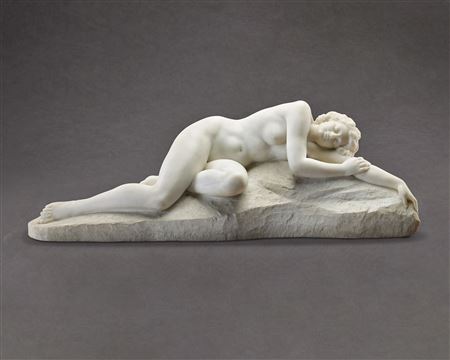
1887 - 1960. Known for: Portrait bust, nude female and fishermen sculpture.
Ugo Cipriani was an Italian artist who studied at the Florence Academy of Fine Arts and was active in the 1920s. He worked in various mediums such as marble, terracotta, bronze, and alabaster,... Read full biography
Ugo Cipriani was an Italian artist who studied at the Florence Academy of Fine Arts and was active in the 1920s. He worked in various mediums such as marble, terracotta, bronze, and alabaster, creating artworks in the spirit of the Art Deco movement. One of his notable works is a bronze monument... Read full biography
Ugo Cipriani was an Italian artist who studied at the Florence Academy of Fine Arts and was active in the 1920s. He worked in various mediums such as marble, terracotta, bronze, and alabaster, creating artworks in the spirit of the Art Deco movement. One of his notable works is a bronze monument dedicated to the Italian nationalist Guglielmo Oberdan, located in Florence's piazza named after Oberdan.... Read full biography
Ugo Cipriani was an Italian artist who studied at the Florence Academy of Fine Arts and was active in the 1920s. He worked in various mediums such as marble, terracotta, bronze, and alabaster, creating artworks in the spirit of the Art Deco movement. One of his notable works is a bronze monument dedicated to the Italian nationalist Guglielmo Oberdan, located in Florence's piazza named after Oberdan.
Ugo Cipriani was an Italian artist who studied at the Florence Academy of Fine Arts and was active in the 1920s. He worked in various mediums such as marble, terracotta, bronze, and alabaster, creating artworks in the spirit of the Art Deco movement. One of his notable works is a bronze monument dedicated to the Italian nationalist Guglielmo Oberdan, located in Florence's piazza named after Oberdan.