Alejandro Otero studied in Caracas at the Escuela de Artes Aplicadas beginning 1939 and was a professor at the same institution from 1943 to 1945. Otero traveled to Paris in 1945 and then to... Read full biography
Alejandro Otero studied in Caracas at the Escuela de Artes Aplicadas beginning 1939 and was a professor at the same institution from 1943 to 1945. Otero traveled to Paris in 1945 and then to Washington in 1948, and in these places focused on revising his works from Realism to Cubism. He returned to... Read full biography
Alejandro Otero studied in Caracas at the Escuela de Artes Aplicadas beginning 1939 and was a professor at the same institution from 1943 to 1945. Otero traveled to Paris in 1945 and then to Washington in 1948, and in these places focused on revising his works from Realism to Cubism. He returned to Paris in 1949 and worked on the magazine the Dissidents. After returning to Caracas in 1952, he began his Coloritmo series that he would continue until 1960. During this period he contributed to many... Read full biography
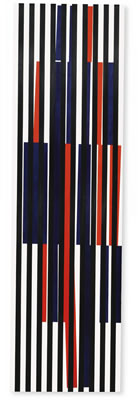
Alejandro Otero studied in Caracas at the Escuela de Artes Aplicadas beginning 1939 and was a professor at the same institution from 1943 to 1945. Otero traveled to Paris in 1945 and then to Washington in 1948, and in these places focused on revising his works from Realism to Cubism. He returned to Paris in 1949 and worked on the magazine the Dissidents. After returning to Caracas in 1952, he began his Coloritmo series that he would continue until 1960. During this period he contributed to many magazines, organized exhibitions, and reformed the Escuela de Artes Plasticas in Caracas. In 1960 he moved back to Paris and devoted himself to constructing assemblages and collages. During the seventies the artist produced many large scale outdoor... Read full biography
Alejandro Otero studied in Caracas at the Escuela de Artes Aplicadas beginning 1939 and was a professor at the same institution from 1943 to 1945. Otero traveled to Paris in 1945 and then to Washington in 1948, and in these places focused on revising his works from Realism to Cubism. He returned to Paris in 1949 and worked on the magazine the Dissidents. After returning to Caracas in 1952, he began his Coloritmo series that he would continue until 1960. During this period he contributed to many magazines, organized exhibitions, and reformed the Escuela de Artes Plasticas in Caracas. In 1960 he moved back to Paris and devoted himself to constructing assemblages and collages. During the seventies the artist produced many large scale outdoor constructions that relied upon the interplay of man made materials and natural elements. Otero's work was inclu... Read full biography