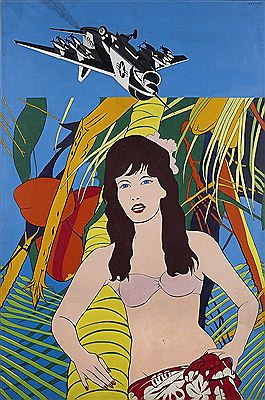
1931 Paris - 2021. Known for: New Figuration, printmaking, use of popular images and criticism of social issues.
Bernard Rancillac was born in 1931 in Paris and raised as the eldest of five siblings. He completed his studies at the Lycée Lakanal and trained as a drawing teacher at the Met Penninghen workshop....
Read full biography Bernard Rancillac was born in 1931 in Paris and raised as the eldest of five siblings. He completed his studies at the Lycée Lakanal and trained as a drawing teacher at the Met Penninghen workshop. After completing his military service, he studied printmaking at SW Hayter's Atelier 17 and won the...
Read full biography Bernard Rancillac was born in 1931 in Paris and raised as the eldest of five siblings. He completed his studies at the Lycée Lakanal and trained as a drawing teacher at the Met Penninghen workshop. After completing his military service, he studied printmaking at SW Hayter's Atelier 17 and won the painting prize at the Paris Biennale in 1961. Rancillac used popular images as an instrument to criticize social issues, such as the Vietnam War and the legalisation of the contraceptive pill. He...
Read full biography Bernard Rancillac was born in 1931 in Paris and raised as the eldest of five siblings. He completed his studies at the Lycée Lakanal and trained as a drawing teacher at the Met Penninghen workshop. After completing his military service, he studied printmaking at SW Hayter's Atelier 17 and won the painting prize at the Paris Biennale in 1961. Rancillac used popular images as an instrument to criticize social issues, such as the Vietnam War and the legalisation of the contraceptive pill. He projected images onto the canvas and used synthetic, vivid and contrasting colours reminiscent of commercial prints
Bernard Rancillac was born in 1931 in Paris and raised as the eldest of five siblings. He completed his studies at the Lycée Lakanal and trained as a drawing teacher at the Met Penninghen workshop. After completing his military service, he studied printmaking at SW Hayter's Atelier 17 and won the painting prize at the Paris Biennale in 1961. Rancillac used popular images as an instrument to criticize social issues, such as the Vietnam War and the legalisation of the contraceptive pill. He projected images onto the canvas and used synthetic, vivid and contrasting colours reminiscent of commercial prints