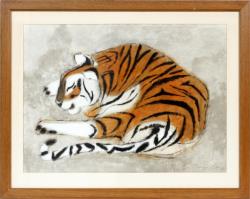
Charles Culver (b. 1908 / d. 1967). Charles Beecher Culver worked hard in his youth to develop his art. In his early 20's his parents gave him money to study commercial art in Chicago. Throughout the... Read full biography
Charles Culver (b. 1908 / d. 1967). Charles Beecher Culver worked hard in his youth to develop his art. In his early 20's his parents gave him money to study commercial art in Chicago. Throughout the late 1920's and early 1930's, Culver had a variety of jobs ranging from bands playing clarinet and... Read full biography
Charles Culver (b. 1908 / d. 1967). Charles Beecher Culver worked hard in his youth to develop his art. In his early 20's his parents gave him money to study commercial art in Chicago. Throughout the late 1920's and early 1930's, Culver had a variety of jobs ranging from bands playing clarinet and tenor sax, cartoonist at the Royal Oak Tribune to writing and illustrating children books. His main source of income was from working as a commercial artist at Chevrolet Studios in the General Motors... Read full biography
Charles Culver (b. 1908 / d. 1967). Charles Beecher Culver worked hard in his youth to develop his art. In his early 20's his parents gave him money to study commercial art in Chicago. Throughout the late 1920's and early 1930's, Culver had a variety of jobs ranging from bands playing clarinet and tenor sax, cartoonist at the Royal Oak Tribune to writing and illustrating children books. His main source of income was from working as a commercial artist at Chevrolet Studios in the General Motors Building in Detroit. However, Culver only worked at GM for money which he would save until he had enough to quit. He would then go back to Bellaire to be with his wife Florence. It was here that he would paint until his funds ran out (usually one-two... Read full biography
Charles Culver (b. 1908 / d. 1967). Charles Beecher Culver worked hard in his youth to develop his art. In his early 20's his parents gave him money to study commercial art in Chicago. Throughout the late 1920's and early 1930's, Culver had a variety of jobs ranging from bands playing clarinet and tenor sax, cartoonist at the Royal Oak Tribune to writing and illustrating children books. His main source of income was from working as a commercial artist at Chevrolet Studios in the General Motors Building in Detroit. However, Culver only worked at GM for money which he would save until he had enough to quit. He would then go back to Bellaire to be with his wife Florence. It was here that he would paint until his funds ran out (usually one-two years) and he had to return to his commercial artist job in Detroit. In the late 1930's Culver start... Read full biography