A sculptor of abstract human figures, Elie Nadelman was one of the first Beaux-Arts* style trained sculptors to experiment with abstraction in figurative subjects. He applied aesthetic theories he... Read full biography
A sculptor of abstract human figures, Elie Nadelman was one of the first Beaux-Arts* style trained sculptors to experiment with abstraction in figurative subjects. He applied aesthetic theories he learned in Europe to American subjects and popular culture. His work seems a combination of classical*... Read full biography
A sculptor of abstract human figures, Elie Nadelman was one of the first Beaux-Arts* style trained sculptors to experiment with abstraction in figurative subjects. He applied aesthetic theories he learned in Europe to American subjects and popular culture. His work seems a combination of classical* methods and folk art*, which merge to create a unique fusion of traditional and modern. Born with the name Eliasz Nadelman on February 20, 1882 in Warsaw, Poland he was the youngest of seven children... Read full biography
A sculptor of abstract human figures, Elie Nadelman was one of the first Beaux-Arts* style trained sculptors to experiment with abstraction in figurative subjects. He applied aesthetic theories he learned in Europe to American subjects and popular culture. His work seems a combination of classical* methods and folk art*, which merge to create a unique fusion of traditional and modern. Born with the name Eliasz Nadelman on February 20, 1882 in Warsaw, Poland he was the youngest of seven children of Philip and Hannah Nadelman. He grew up in Poland's Russian Zone, where the tensions of anti-Semitism existed. His parentsm who owned a jewelry shop, decided to raise their children in a relatively secular way. In 1899, Nadelman, by then known as... Read full biography
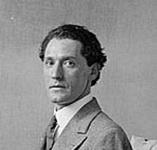
A sculptor of abstract human figures, Elie Nadelman was one of the first Beaux-Arts* style trained sculptors to experiment with abstraction in figurative subjects. He applied aesthetic theories he learned in Europe to American subjects and popular culture. His work seems a combination of classical* methods and folk art*, which merge to create a unique fusion of traditional and modern. Born with the name Eliasz Nadelman on February 20, 1882 in Warsaw, Poland he was the youngest of seven children of Philip and Hannah Nadelman. He grew up in Poland's Russian Zone, where the tensions of anti-Semitism existed. His parentsm who owned a jewelry shop, decided to raise their children in a relatively secular way. In 1899, Nadelman, by then known as Elie, graduated from the Warsaw Gymnasium and enrolled in the Warsaw School of Fine Arts. He en... Read full biography