A sculptor noted for life-sized white plaster figures cast from life, frozen in a gesture or pose and often juxtaposed with colorful, real everyday environments, George Segal began his career as a... Read full biography
A sculptor noted for life-sized white plaster figures cast from life, frozen in a gesture or pose and often juxtaposed with colorful, real everyday environments, George Segal began his career as a painter. However, he changed to sculpture because he wanted to create objects he could touch and to... Read full biography
A sculptor noted for life-sized white plaster figures cast from life, frozen in a gesture or pose and often juxtaposed with colorful, real everyday environments, George Segal began his career as a painter. However, he changed to sculpture because he wanted to create objects he could touch and to take sculpture off the pedestal. Most of his figures are white and appear to be bandaged. During the 'hay-day' of Abstraction, he held to a representational style, with some in the 1960s calling him a... Read full biography
A sculptor noted for life-sized white plaster figures cast from life, frozen in a gesture or pose and often juxtaposed with colorful, real everyday environments, George Segal began his career as a painter. However, he changed to sculpture because he wanted to create objects he could touch and to take sculpture off the pedestal. Most of his figures are white and appear to be bandaged. During the 'hay-day' of Abstraction, he held to a representational style, with some in the 1960s calling him a Pop Artist. He was born in the Bronx of New York where his father was a kosher butcher during the Depression. Showing aptitude in science, he attended Stuyvesant High school, known for its graduating of high achieving students. During World War II, he... Read full biography
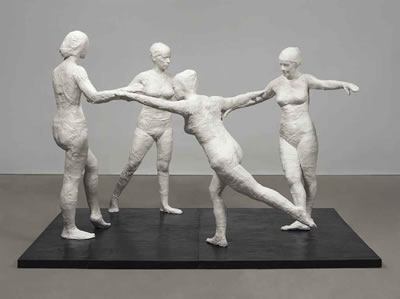
A sculptor noted for life-sized white plaster figures cast from life, frozen in a gesture or pose and often juxtaposed with colorful, real everyday environments, George Segal began his career as a painter. However, he changed to sculpture because he wanted to create objects he could touch and to take sculpture off the pedestal. Most of his figures are white and appear to be bandaged. During the 'hay-day' of Abstraction, he held to a representational style, with some in the 1960s calling him a Pop Artist. He was born in the Bronx of New York where his father was a kosher butcher during the Depression. Showing aptitude in science, he attended Stuyvesant High school, known for its graduating of high achieving students. During World War II, he took time off from school to help his dad run a family chicken farm in New Jersey. He studied art in New York at Cooper Union, the Pratt... Read full biography