Known for geometric, hard-edge abstraction, Leon Polk Smith was born in 1906 and raised on a farm in Indian territory among the Choctaw Indians before Oklahoma became a state. In 1936, he went to New... Read full biography
Known for geometric, hard-edge abstraction, Leon Polk Smith was born in 1906 and raised on a farm in Indian territory among the Choctaw Indians before Oklahoma became a state. In 1936, he went to New York City and was exposed to European modernism. He was particularly influenced by Jean Arp,... Read full biography
Known for geometric, hard-edge abstraction, Leon Polk Smith was born in 1906 and raised on a farm in Indian territory among the Choctaw Indians before Oklahoma became a state. In 1936, he went to New York City and was exposed to European modernism. He was particularly influenced by Jean Arp, Constantin Brancusi and Piet Mondrian and also by the city itself. Of his impressions, he wrote: "New York City revealed its physical self to me through the mountains and canyons of the Southwest. There... Read full biography
Known for geometric, hard-edge abstraction, Leon Polk Smith was born in 1906 and raised on a farm in Indian territory among the Choctaw Indians before Oklahoma became a state. In 1936, he went to New York City and was exposed to European modernism. He was particularly influenced by Jean Arp, Constantin Brancusi and Piet Mondrian and also by the city itself. Of his impressions, he wrote: "New York City revealed its physical self to me through the mountains and canyons of the Southwest. There were the ups and downs-the high peaks, the in-betweens, or the canyons, and topped with the great dome. I felt the city to be a perfect equation for a great abstraction. Sources: . Wright auction catalogue, 11/19/2002. additional information and birth... Read full biography
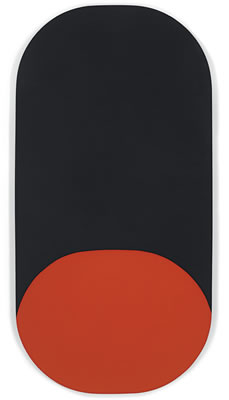
Known for geometric, hard-edge abstraction, Leon Polk Smith was born in 1906 and raised on a farm in Indian territory among the Choctaw Indians before Oklahoma became a state. In 1936, he went to New York City and was exposed to European modernism. He was particularly influenced by Jean Arp, Constantin Brancusi and Piet Mondrian and also by the city itself. Of his impressions, he wrote: "New York City revealed its physical self to me through the mountains and canyons of the Southwest. There were the ups and downs-the high peaks, the in-betweens, or the canyons, and topped with the great dome. I felt the city to be a perfect equation for a great abstraction. Sources: . Wright auction catalogue, 11/19/2002. additional information and birth place correction courtesy of Amber Sharples, Visual Director, Oklahoma Arts Council... Read full biography