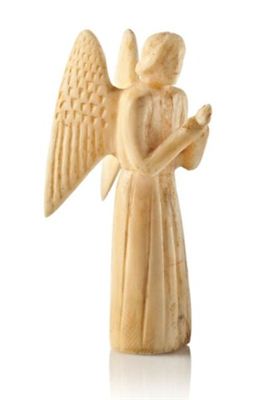
Mark Tungilik (1913 - 1986). An important early modern Inuit* sculptor and carver, Mark Tungilik was born in the Kitikmeot region of what is now Nunavut, Canada and died in Repulse Bay, Nunavut,... Read full biography
Mark Tungilik (1913 - 1986). An important early modern Inuit* sculptor and carver, Mark Tungilik was born in the Kitikmeot region of what is now Nunavut, Canada and died in Repulse Bay, Nunavut, where he had lived since about 1948. His carvings have been included in many landmark exhibitions, his... Read full biography
Mark Tungilik (1913 - 1986). An important early modern Inuit* sculptor and carver, Mark Tungilik was born in the Kitikmeot region of what is now Nunavut, Canada and died in Repulse Bay, Nunavut, where he had lived since about 1948. His carvings have been included in many landmark exhibitions, his life is discussed in virtually every comprehensive Inuit Art history book, and his works are in the permanent collections of several major museums such as the National Gallery of Canada (Ottawa), the... Read full biography
Mark Tungilik (1913 - 1986). An important early modern Inuit* sculptor and carver, Mark Tungilik was born in the Kitikmeot region of what is now Nunavut, Canada and died in Repulse Bay, Nunavut, where he had lived since about 1948. His carvings have been included in many landmark exhibitions, his life is discussed in virtually every comprehensive Inuit Art history book, and his works are in the permanent collections of several major museums such as the National Gallery of Canada (Ottawa), the Canadian Museum of Civilization (Gatineau, Quebec) and The Metropolitan Museum of Art (New York). (1)(2)(3). Tungilik was famous for his mixed medium 'micro miniature' marine ivory (walrus tusk or whale teeth) carvings composed with additional things... Read full biography
Mark Tungilik (1913 - 1986). An important early modern Inuit* sculptor and carver, Mark Tungilik was born in the Kitikmeot region of what is now Nunavut, Canada and died in Repulse Bay, Nunavut, where he had lived since about 1948. His carvings have been included in many landmark exhibitions, his life is discussed in virtually every comprehensive Inuit Art history book, and his works are in the permanent collections of several major museums such as the National Gallery of Canada (Ottawa), the Canadian Museum of Civilization (Gatineau, Quebec) and The Metropolitan Museum of Art (New York). (1)(2)(3). Tungilik was famous for his mixed medium 'micro miniature' marine ivory (walrus tusk or whale teeth) carvings composed with additional things like stone, whalebone*, baleen and sinew. These were frequently arranged in tableaus depicting Christian images (e.g. Christ, Priests and A... Read full biography