Mary Tillman Smith was born to sharecroppers in rural Mississippi. She was born with a hearing impairment which resulted in difficulty speaking or being understood. As a result, she was ostracized by... Read full biography
Mary Tillman Smith was born to sharecroppers in rural Mississippi. She was born with a hearing impairment which resulted in difficulty speaking or being understood. As a result, she was ostracized by the local community and turned to art as a refuge. Smith spent many years working as a domestic... Read full biography
Mary Tillman Smith was born to sharecroppers in rural Mississippi. She was born with a hearing impairment which resulted in difficulty speaking or being understood. As a result, she was ostracized by the local community and turned to art as a refuge. Smith spent many years working as a domestic servant and only began to explore her artistic talent following her retirement in the 1970s. Often working with found scrap metal and house paint, Smith created strong and audacious compositions... Read full biography
Mary Tillman Smith was born to sharecroppers in rural Mississippi. She was born with a hearing impairment which resulted in difficulty speaking or being understood. As a result, she was ostracized by the local community and turned to art as a refuge. Smith spent many years working as a domestic servant and only began to explore her artistic talent following her retirement in the 1970s. Often working with found scrap metal and house paint, Smith created strong and audacious compositions regularly inspired by her faith. Her paintings are highly coveted today and can be found in collections such as the Metropolitan Museum of Art, Smithsonian American Art Museum, and High Museum of Art. Smith’s art was on display earlier this year in the solo... Read full biography
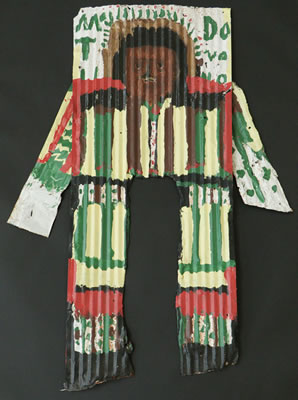
Mary Tillman Smith was born to sharecroppers in rural Mississippi. She was born with a hearing impairment which resulted in difficulty speaking or being understood. As a result, she was ostracized by the local community and turned to art as a refuge. Smith spent many years working as a domestic servant and only began to explore her artistic talent following her retirement in the 1970s. Often working with found scrap metal and house paint, Smith created strong and audacious compositions regularly inspired by her faith. Her paintings are highly coveted today and can be found in collections such as the Metropolitan Museum of Art, Smithsonian American Art Museum, and High Museum of Art. Smith’s art was on display earlier this year in the solo show Mary T. Smith: I WE OUR at Shrine in New York. Gómez, Edward M. “The Bold, Blessed Paintings of a Sharecropper’s Daughter”. Hyperallergic. June... Read full biography