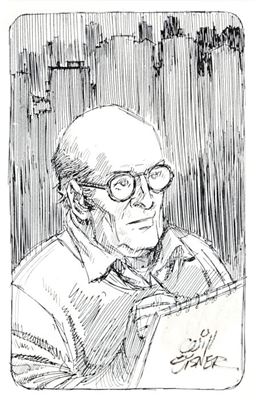
A comic book artist whose work was revolutionary in several ways. He created the "Joe Dope" series in comic-book motif that instructed soldiers how to care for their equipment, was the first comic... Read full biography
A comic book artist whose work was revolutionary in several ways. He created the "Joe Dope" series in comic-book motif that instructed soldiers how to care for their equipment, was the first comic illustrator to use balloon panels that were asides in that they showed what the character was feeling... Read full biography
A comic book artist whose work was revolutionary in several ways. He created the "Joe Dope" series in comic-book motif that instructed soldiers how to care for their equipment, was the first comic illustrator to use balloon panels that were asides in that they showed what the character was feeling and thinking rather than saying, and incorporated subjects that heretofore had been unthinkable to include in "comic" books---topics such as domestic abuse, urban ugliness and thieving politicians.... Read full biography
A comic book artist whose work was revolutionary in several ways. He created the "Joe Dope" series in comic-book motif that instructed soldiers how to care for their equipment, was the first comic illustrator to use balloon panels that were asides in that they showed what the character was feeling and thinking rather than saying, and incorporated subjects that heretofore had been unthinkable to include in "comic" books---topics such as domestic abuse, urban ugliness and thieving politicians. His comic book career began in the 1930s. In the 1940s, he developed wrote and illustrated a three-story comic book, whose most popular story, "The Spirit" was a weekly newspaper supplement that had a circulation of five-million readers in twenty... Read full biography
A comic book artist whose work was revolutionary in several ways. He created the "Joe Dope" series in comic-book motif that instructed soldiers how to care for their equipment, was the first comic illustrator to use balloon panels that were asides in that they showed what the character was feeling and thinking rather than saying, and incorporated subjects that heretofore had been unthinkable to include in "comic" books---topics such as domestic abuse, urban ugliness and thieving politicians. His comic book career began in the 1930s. In the 1940s, he developed wrote and illustrated a three-story comic book, whose most popular story, "The Spirit" was a weekly newspaper supplement that had a circulation of five-million readers in twenty Sunday newspapers. The main character was Denny Colt, who had been buried alive while trying to protect a big city patterned on New York. The... Read full biography