William Manning started as a graphics student working mainly in black and white before moving on to collage and painting. His works on paper form the foundation his work and are based on the... Read full biography
William Manning started as a graphics student working mainly in black and white before moving on to collage and painting. His works on paper form the foundation his work and are based on the environment of his native Maine. He uses as his subject the cycles of nature, including the seasons,... Read full biography
William Manning started as a graphics student working mainly in black and white before moving on to collage and painting. His works on paper form the foundation his work and are based on the environment of his native Maine. He uses as his subject the cycles of nature, including the seasons, weather, and the sun's light for his delicate line drawing and expressive collage. After receiving a grant from the National Endowment for the Arts in 1975 he started a transition to diamond-shaped canvases,... Read full biography
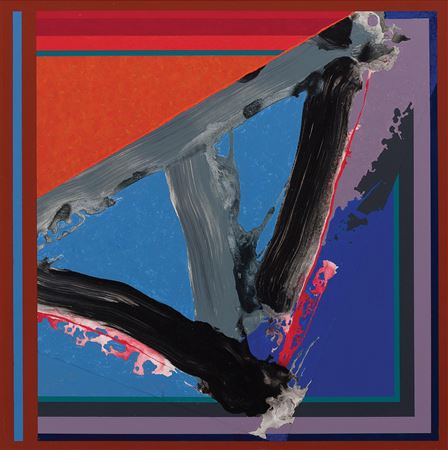
William Manning started as a graphics student working mainly in black and white before moving on to collage and painting. His works on paper form the foundation his work and are based on the environment of his native Maine. He uses as his subject the cycles of nature, including the seasons, weather, and the sun's light for his delicate line drawing and expressive collage. After receiving a grant from the National Endowment for the Arts in 1975 he started a transition to diamond-shaped canvases, and then three-dimensional standing paintings that allowed for multiple viewpoints. They unfold to the viewer in a way that is reminiscent of Cubists' work, but pursue a modern mode of design. His work reflects a deep relationship with his natural... Read full biography
William Manning started as a graphics student working mainly in black and white before moving on to collage and painting. His works on paper form the foundation his work and are based on the environment of his native Maine. He uses as his subject the cycles of nature, including the seasons, weather, and the sun's light for his delicate line drawing and expressive collage. After receiving a grant from the National Endowment for the Arts in 1975 he started a transition to diamond-shaped canvases, and then three-dimensional standing paintings that allowed for multiple viewpoints. They unfold to the viewer in a way that is reminiscent of Cubists' work, but pursue a modern mode of design. His work reflects a deep relationship with his natural surroundings, frequently referencing forested or mountainous landscapes of the Northeastern US.... Read full biography