Willy was born in the 1930s and raised in tradition by his paternal uncle Charlie Tarawa. He was deported to Haasts Bluff and then to Papunya where he started painting in 1976. It was in the 1980s... Read full biography
Willy was born in the 1930s and raised in tradition by his paternal uncle Charlie Tarawa. He was deported to Haasts Bluff and then to Papunya where he started painting in 1976. It was in the 1980s that Willy became known as a leading artist. He is one of the emblematic painters of the Tingari... Read full biography
Willy was born in the 1930s and raised in tradition by his paternal uncle Charlie Tarawa. He was deported to Haasts Bluff and then to Papunya where he started painting in 1976. It was in the 1980s that Willy became known as a leading artist. He is one of the emblematic painters of the Tingari Cycles painted in a classic way with concentric circles connected by parallel lines. The Tingari cycles are a corpus of songs, dances and motifs used for ceremonies staging the ancestors bearing his name,... Read full biography
Willy was born in the 1930s and raised in tradition by his paternal uncle Charlie Tarawa. He was deported to Haasts Bluff and then to Papunya where he started painting in 1976. It was in the 1980s that Willy became known as a leading artist. He is one of the emblematic painters of the Tingari Cycles painted in a classic way with concentric circles connected by parallel lines. The Tingari cycles are a corpus of songs, dances and motifs used for ceremonies staging the ancestors bearing his name, Tingari. These are highly sacred and secret motives and no specific information is generally provided on this subject. In recent years, this man, often considered to be the oldest in the Pintupi group, has changed his style, essentially painting... Read full biography
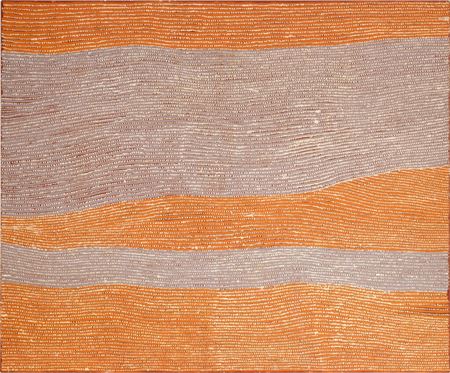
Willy was born in the 1930s and raised in tradition by his paternal uncle Charlie Tarawa. He was deported to Haasts Bluff and then to Papunya where he started painting in 1976. It was in the 1980s that Willy became known as a leading artist. He is one of the emblematic painters of the Tingari Cycles painted in a classic way with concentric circles connected by parallel lines. The Tingari cycles are a corpus of songs, dances and motifs used for ceremonies staging the ancestors bearing his name, Tingari. These are highly sacred and secret motives and no specific information is generally provided on this subject. In recent years, this man, often considered to be the oldest in the Pintupi group, has changed his style, essentially painting lines separated by dots. Collections: Art Gallery of New South Wales, Sydney; Victorian Center for the Performing Arts, Melbourne; Natio... Read full biography