Artist signatures page loaded. Found 17 signature examples for Gong Qi. Sign in or subscribe to view signatures.
Gong Qi SIGNATURES
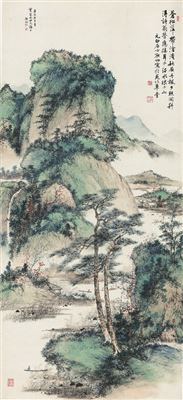
1912 Bejing - 2005. Known for: Landscape.
Qigong was born into a Manchu family in Beijing in 1912. Both Qigong's great-grandfather and grandfather had the highest Chinese academic title known as Jinshi, and he was the descendant of the... Read full biography
Qigong was born into a Manchu family in Beijing in 1912. Both Qigong's great-grandfather and grandfather had the highest Chinese academic title known as Jinshi, and he was the descendant of the Yongzheng Emperor through his son Hongzhou, making Qigong a member of the Aisin Gioro imperial clan. When... Read full biography
Qigong was born into a Manchu family in Beijing in 1912. Both Qigong's great-grandfather and grandfather had the highest Chinese academic title known as Jinshi, and he was the descendant of the Yongzheng Emperor through his son Hongzhou, making Qigong a member of the Aisin Gioro imperial clan. When Qigong was coming to prominence, he made the decision to not use the Manchu "Aisin Gioro" or sinicized Jin surname, and by declining both he chose to go by the legal surname of "Qi". This decision... Read full biography
Qigong was born into a Manchu family in Beijing in 1912. Both Qigong's great-grandfather and grandfather had the highest Chinese academic title known as Jinshi, and he was the descendant of the Yongzheng Emperor through his son Hongzhou, making Qigong a member of the Aisin Gioro imperial clan. When Qigong was coming to prominence, he made the decision to not use the Manchu "Aisin Gioro" or sinicized Jin surname, and by declining both he chose to go by the legal surname of "Qi". This decision allowed him to establish a name for himself removed from the Imperial Family. In his lifetime Qigong became a renowned Chinese calligrapher, artist, painter, connoisseur and sinologist. He was also an advisor for the September 3 Society (Jiusan... Read full biography
Qigong was born into a Manchu family in Beijing in 1912. Both Qigong's great-grandfather and grandfather had the highest Chinese academic title known as Jinshi, and he was the descendant of the Yongzheng Emperor through his son Hongzhou, making Qigong a member of the Aisin Gioro imperial clan. When Qigong was coming to prominence, he made the decision to not use the Manchu "Aisin Gioro" or sinicized Jin surname, and by declining both he chose to go by the legal surname of "Qi". This decision allowed him to establish a name for himself removed from the Imperial Family. In his lifetime Qigong became a renowned Chinese calligrapher, artist, painter, connoisseur and sinologist. He was also an advisor for the September 3 Society (Jiusan Society), one of China's recognized political parties. Learning Chinese calligraphy at a young age, Qigong studied various historical... Read full biography
Sign in required to view signatures
Gong Qi - Artist Signatures
Gong Qi Artist Signatures
Access Required
askART does not represent or warrant that the information accessible via this Site is accurate, complete or current, including, but not limited to, such information contained in artist biographies, auction records, samples of artists' signatures, artworks for sale, and information and value estimates contained in artist price valuation reports.